


Dianthus
Dianthus
Included in the Dianthus genus are carnations, pinks, and sweet william. Characterized by their spicy, clove-like fragrance, dianthus cultivars can be annuals, biennials (blooming in their second year, then dying) or tender perennials. Dianthus flowers in a wide range of colors: white, pink, magenta, red, and picotee (edged in a different color). Dianthus foliage is an attractive, blue-gray mound after flowering. Dianthus is deer resistant but loved by rabbits. The flowers are edible but leaves are mildly toxic to humans, cats, dogs, and horses.
How to Grow Dianthus
Quick Info

Put away the pen and paper
Plan your veggie garden in minutes with Planter's easy drag and drop planner.
Try Planter for Free
Varieties

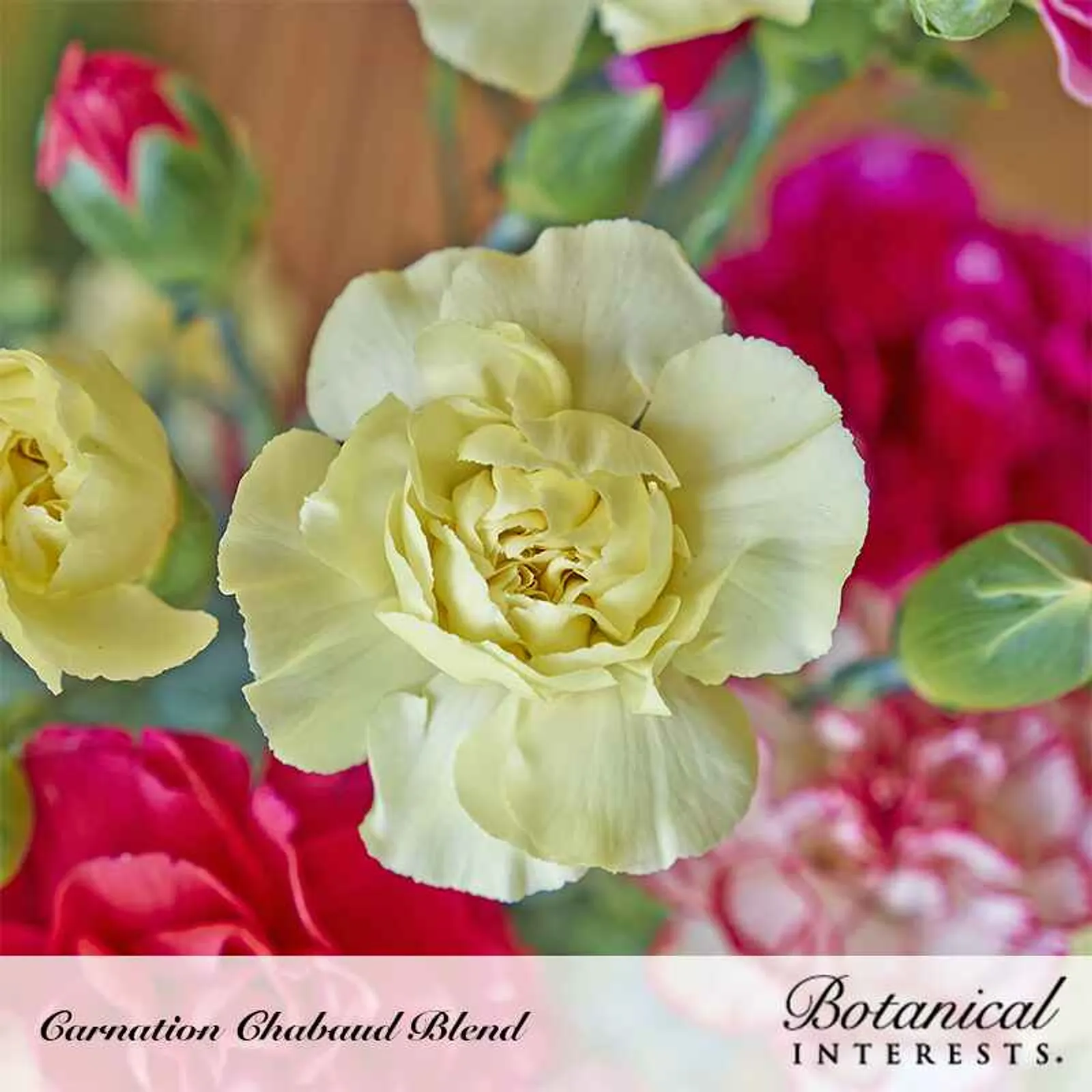 Photo: Botanical Interests
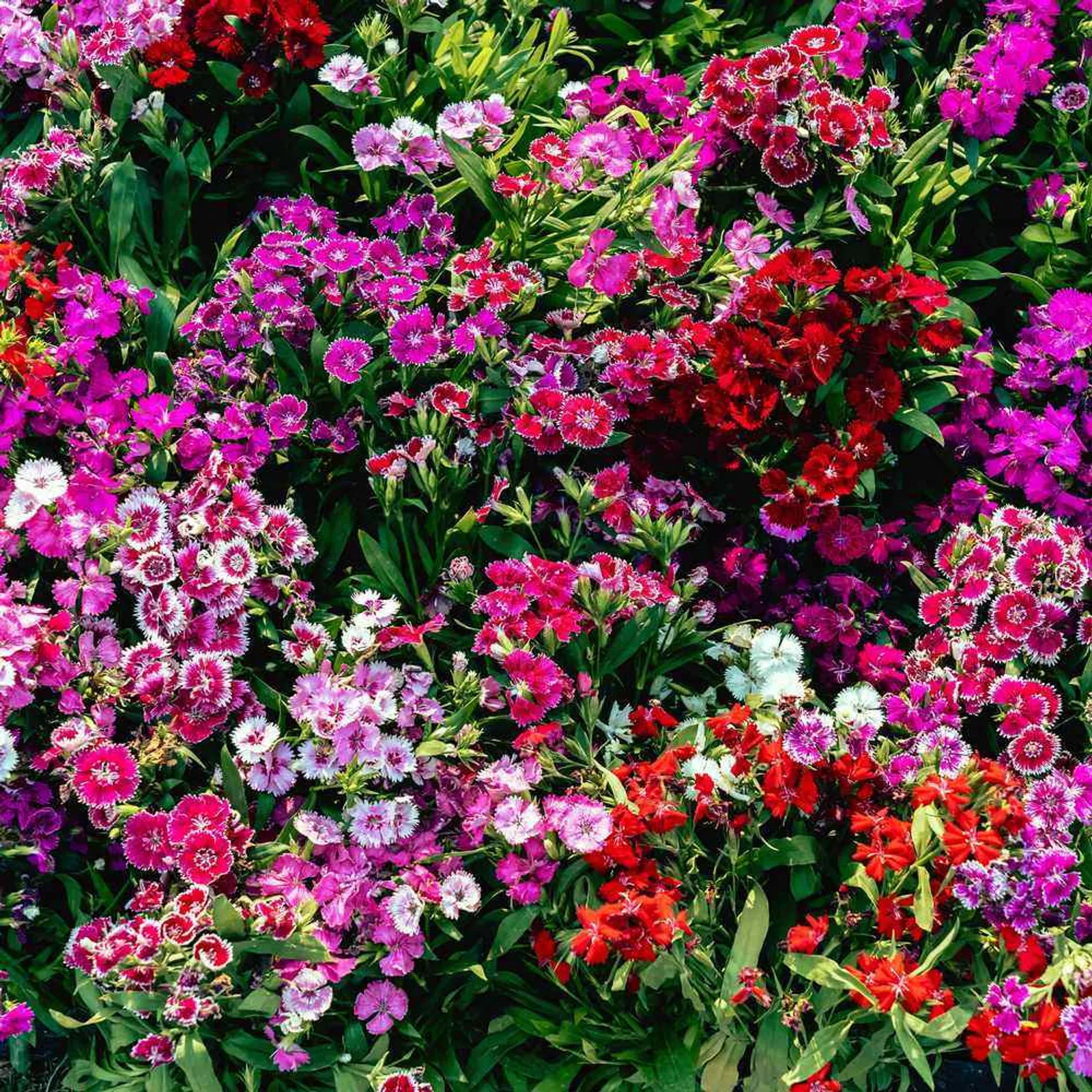 Photo: Botanical Interests
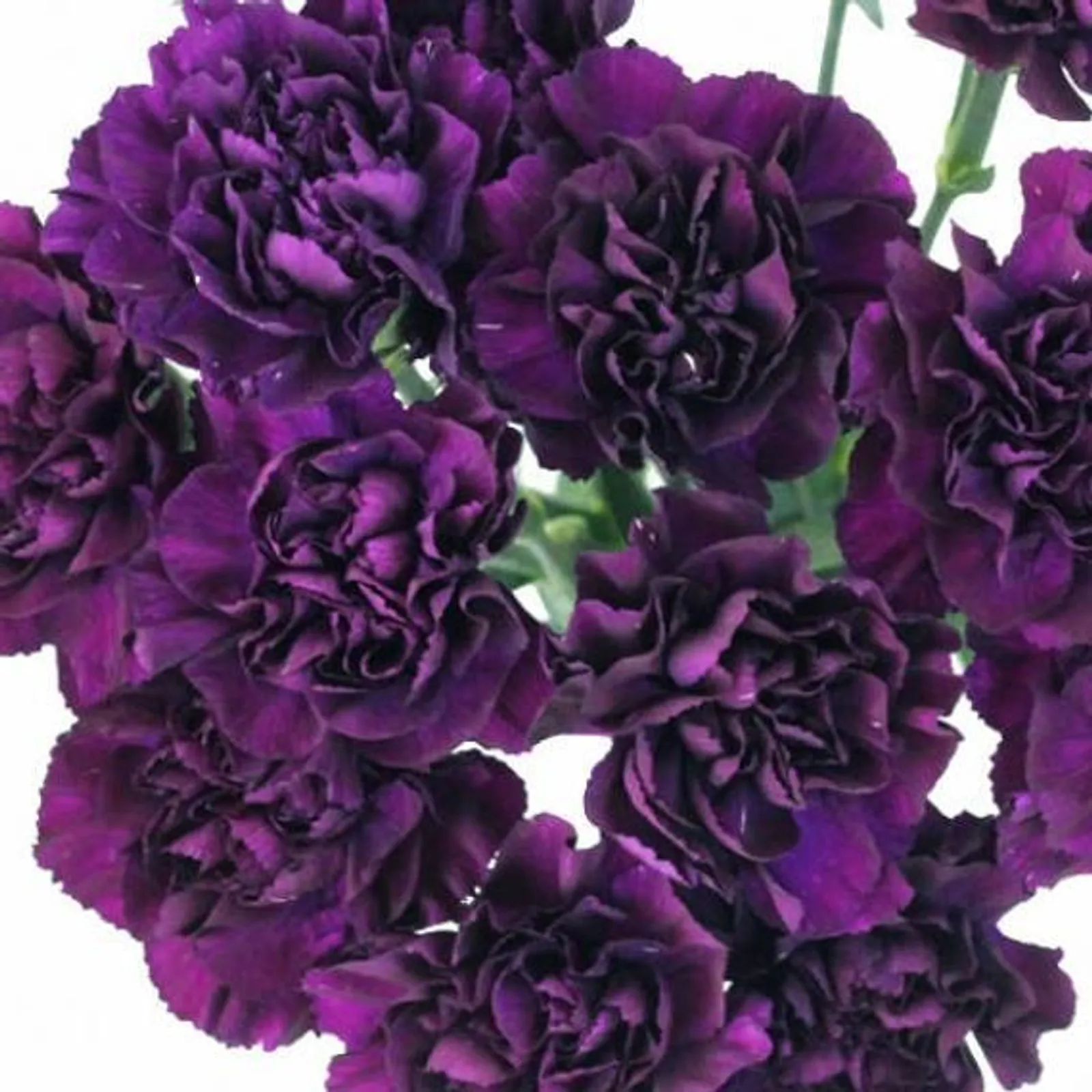 Photo: MIgardener
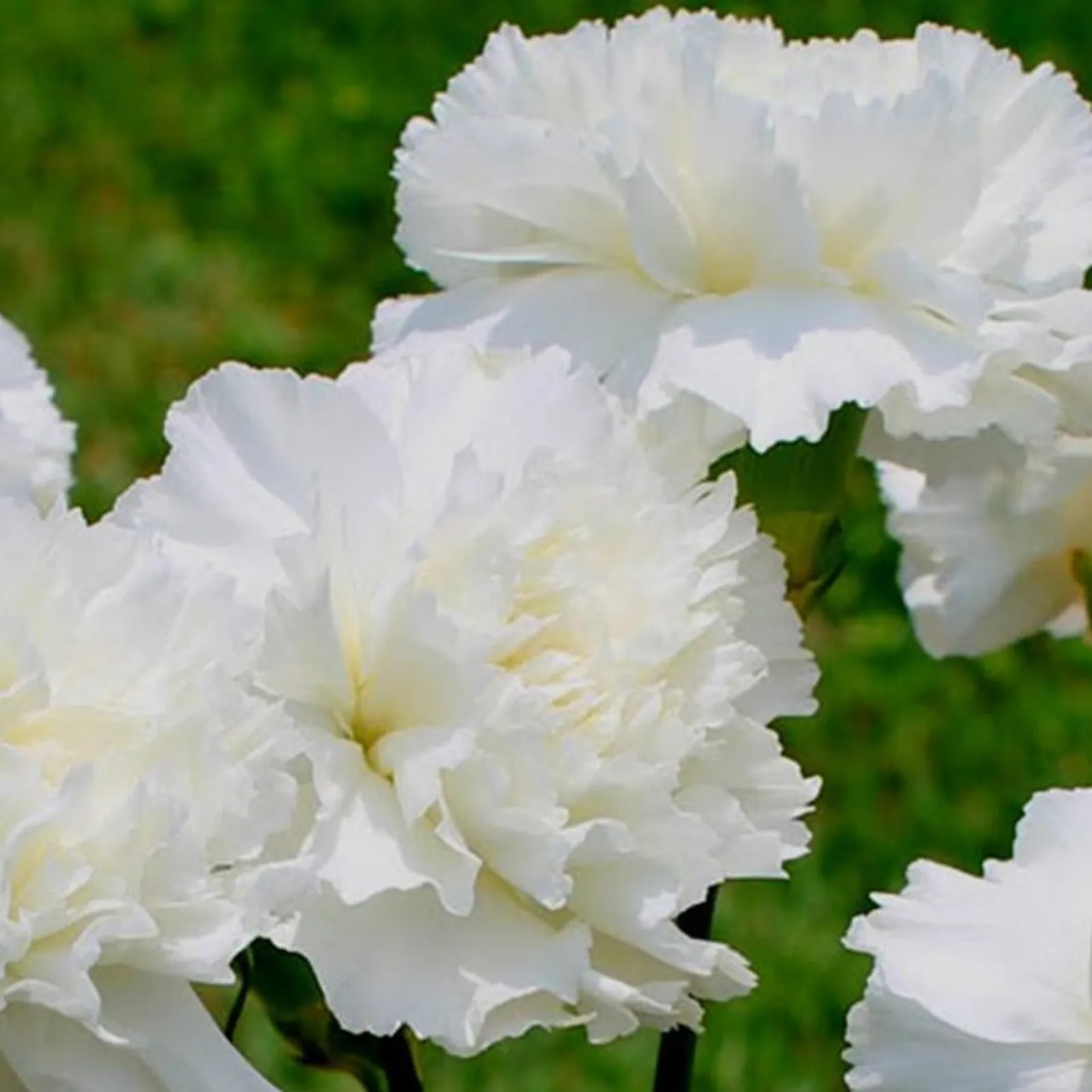 Photo: MIgardener
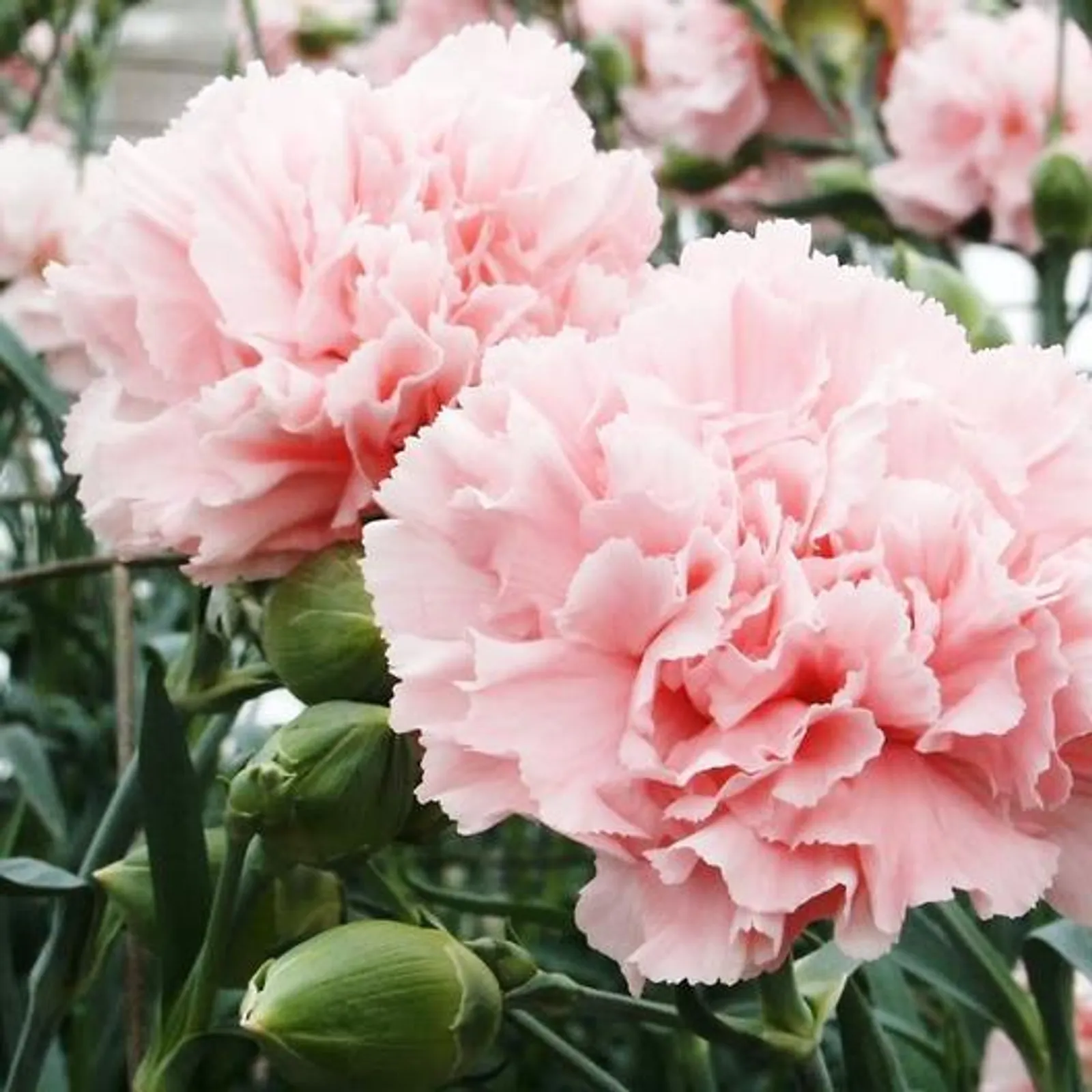 Photo: MIgardener
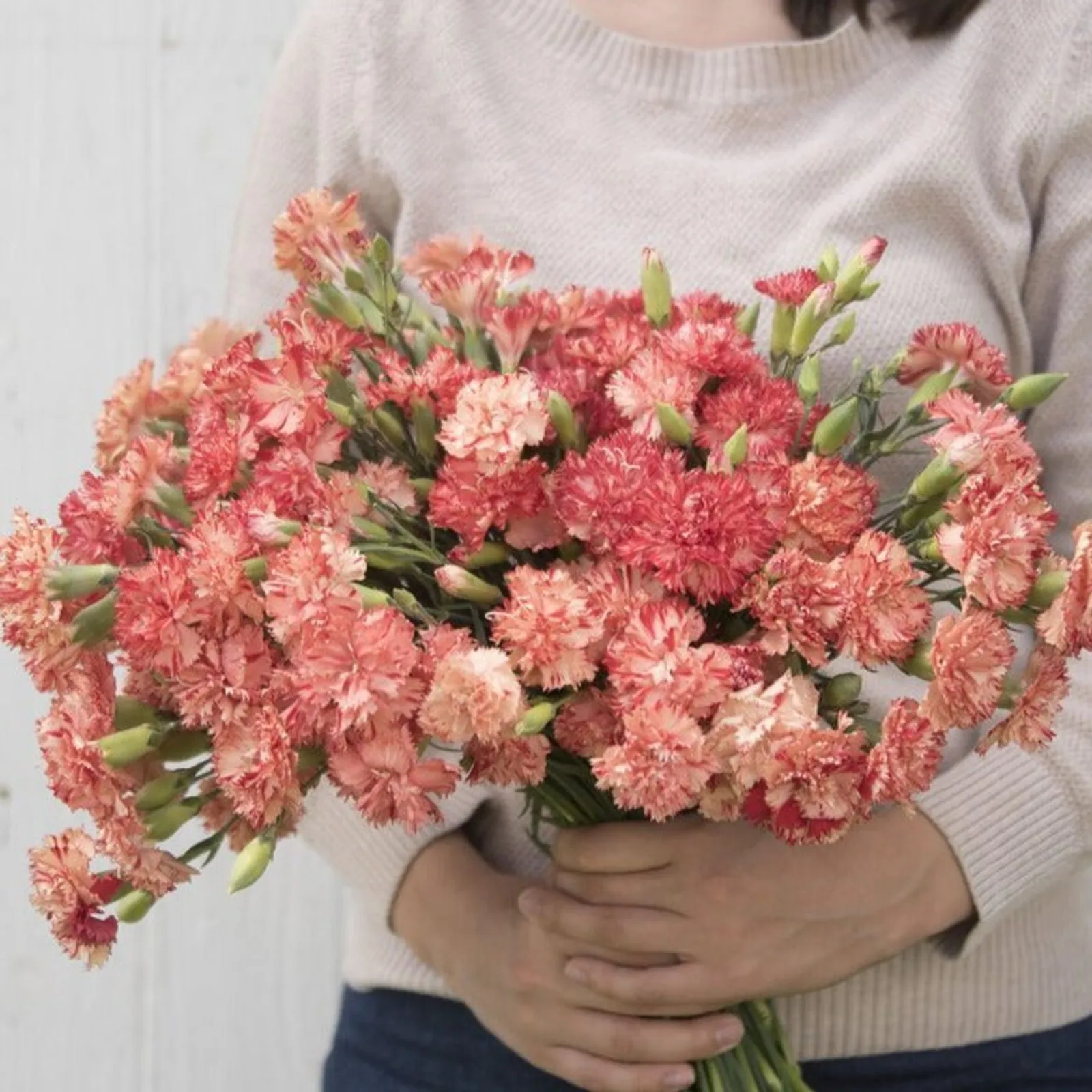 Photo: MIgardener

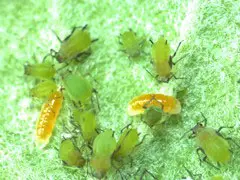
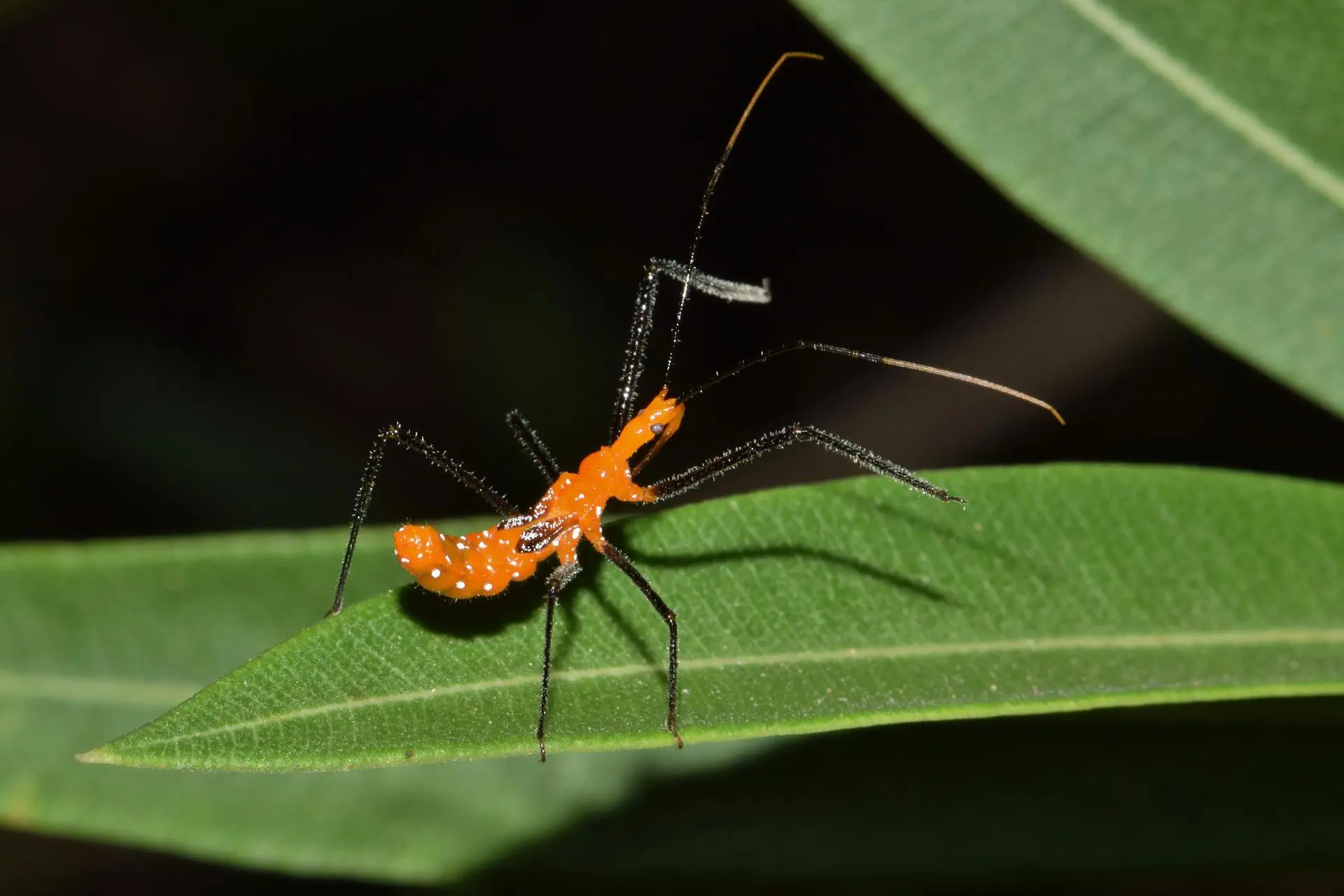
Pests
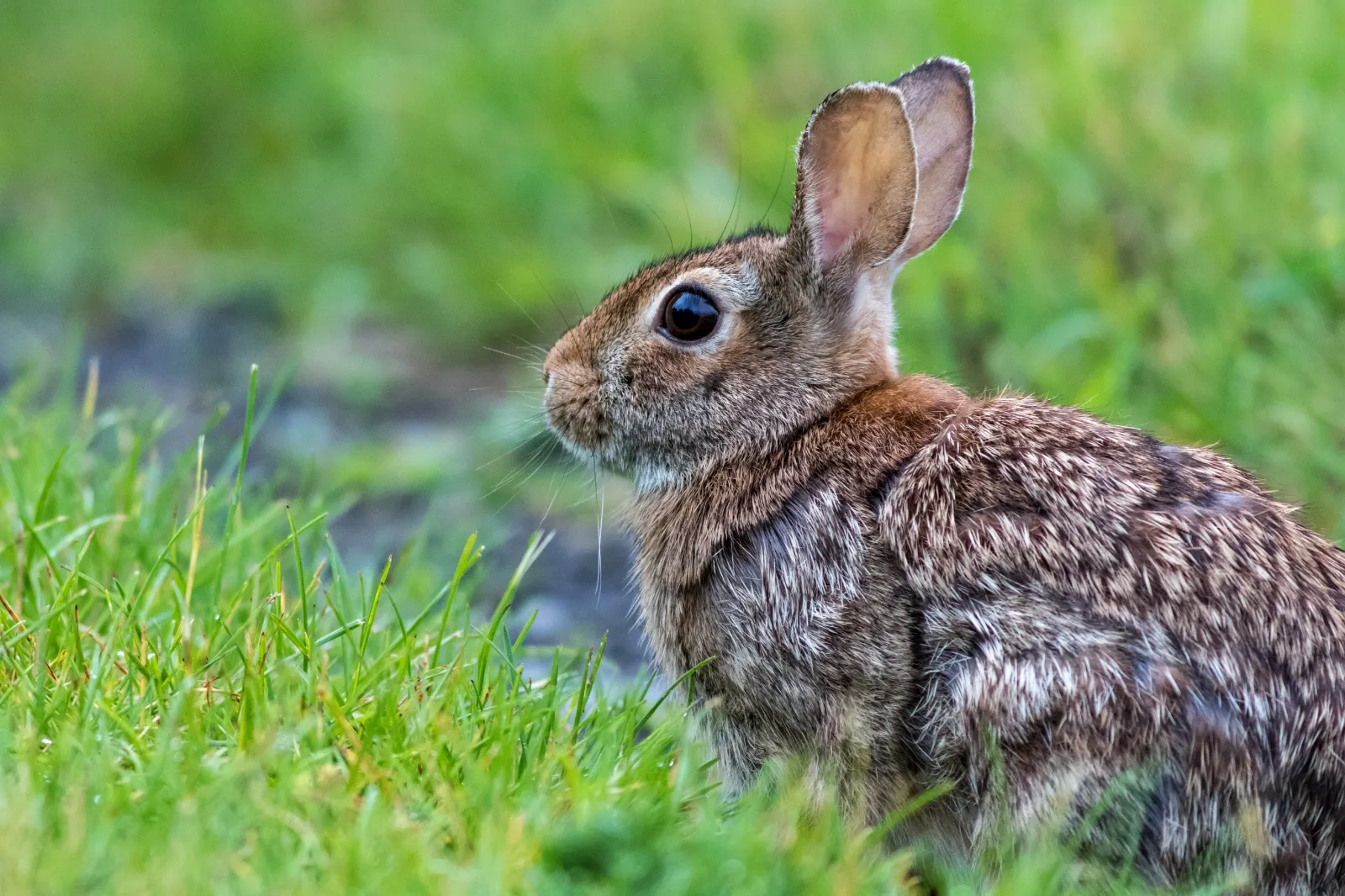
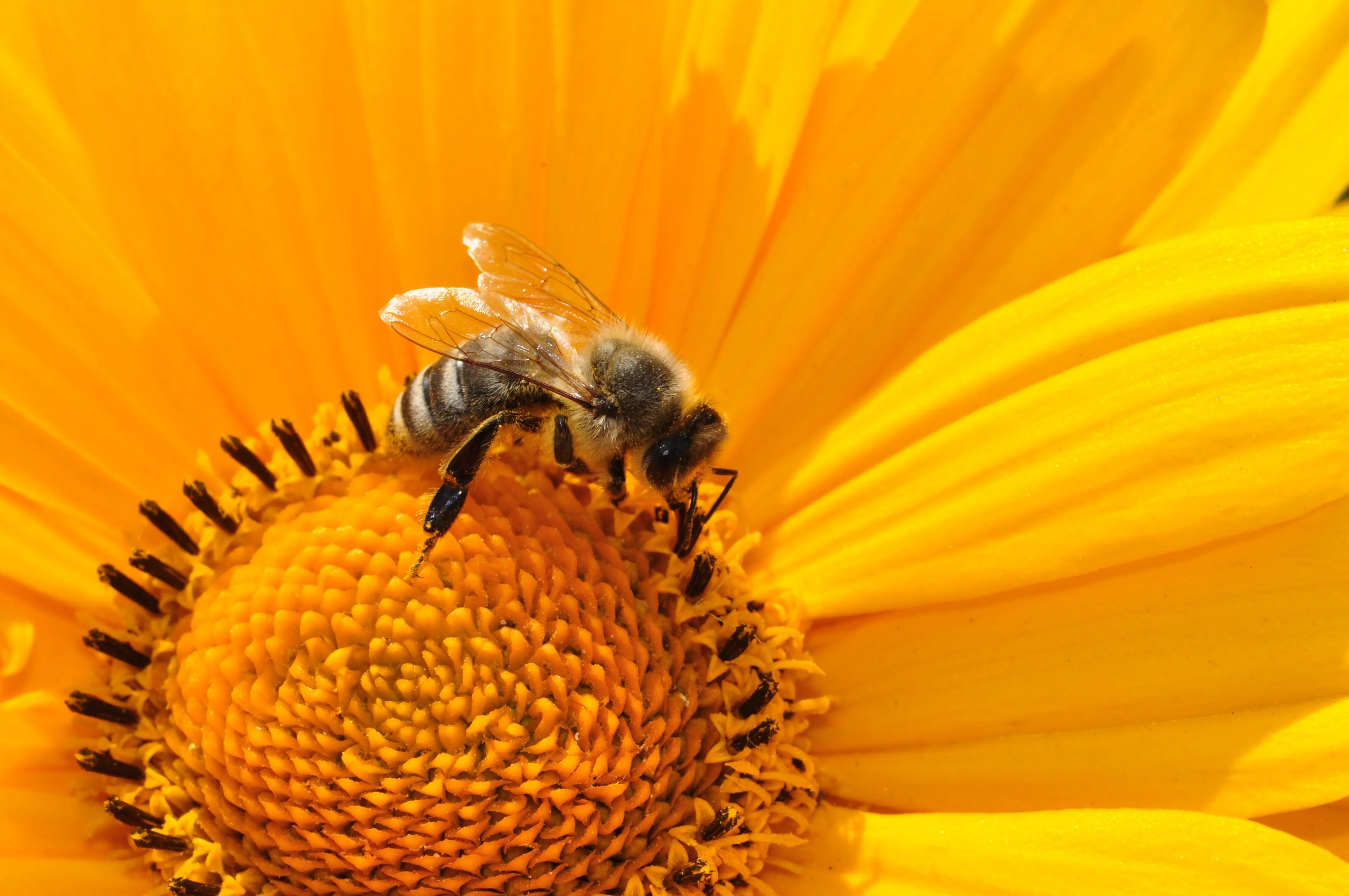
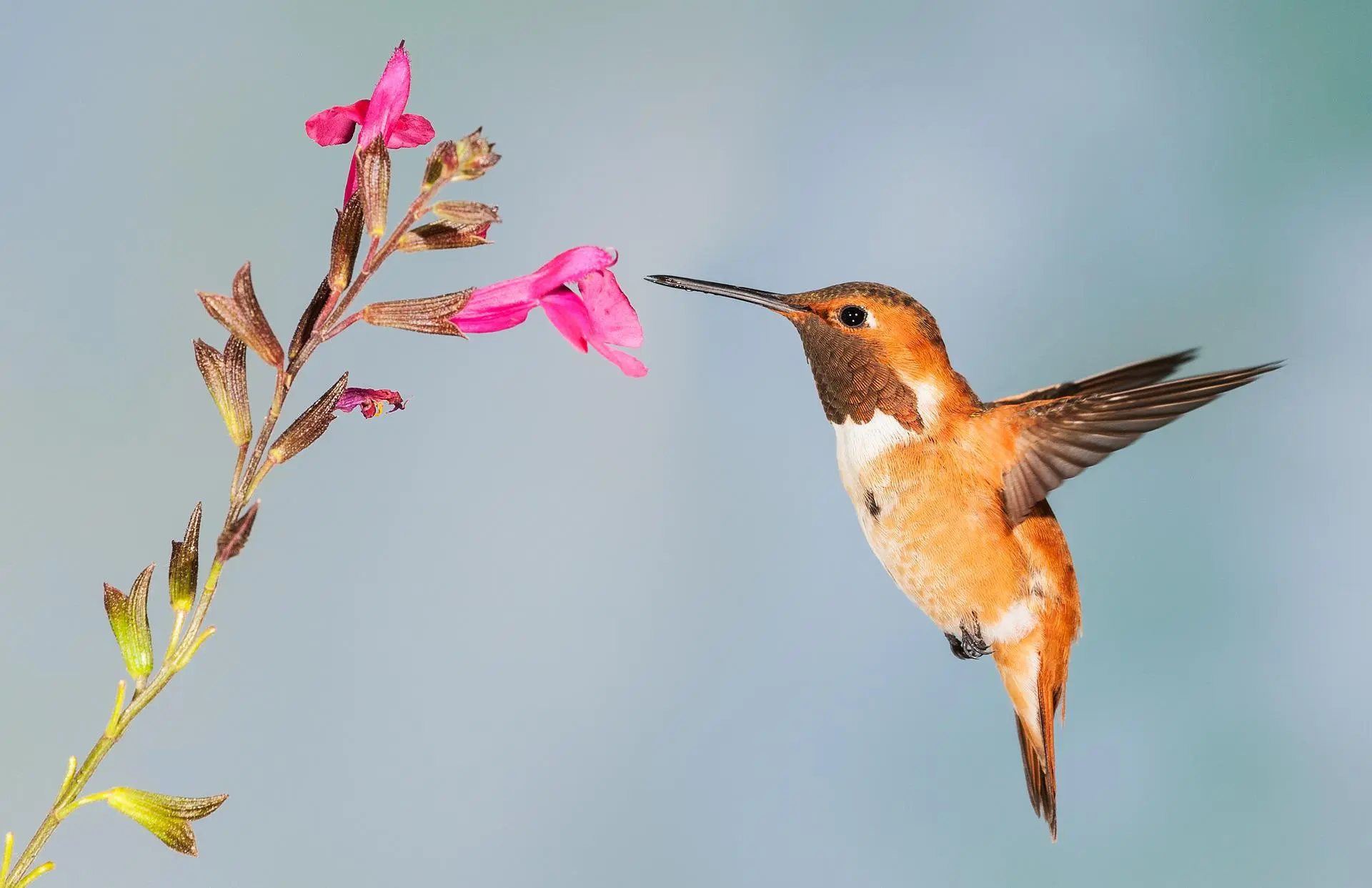
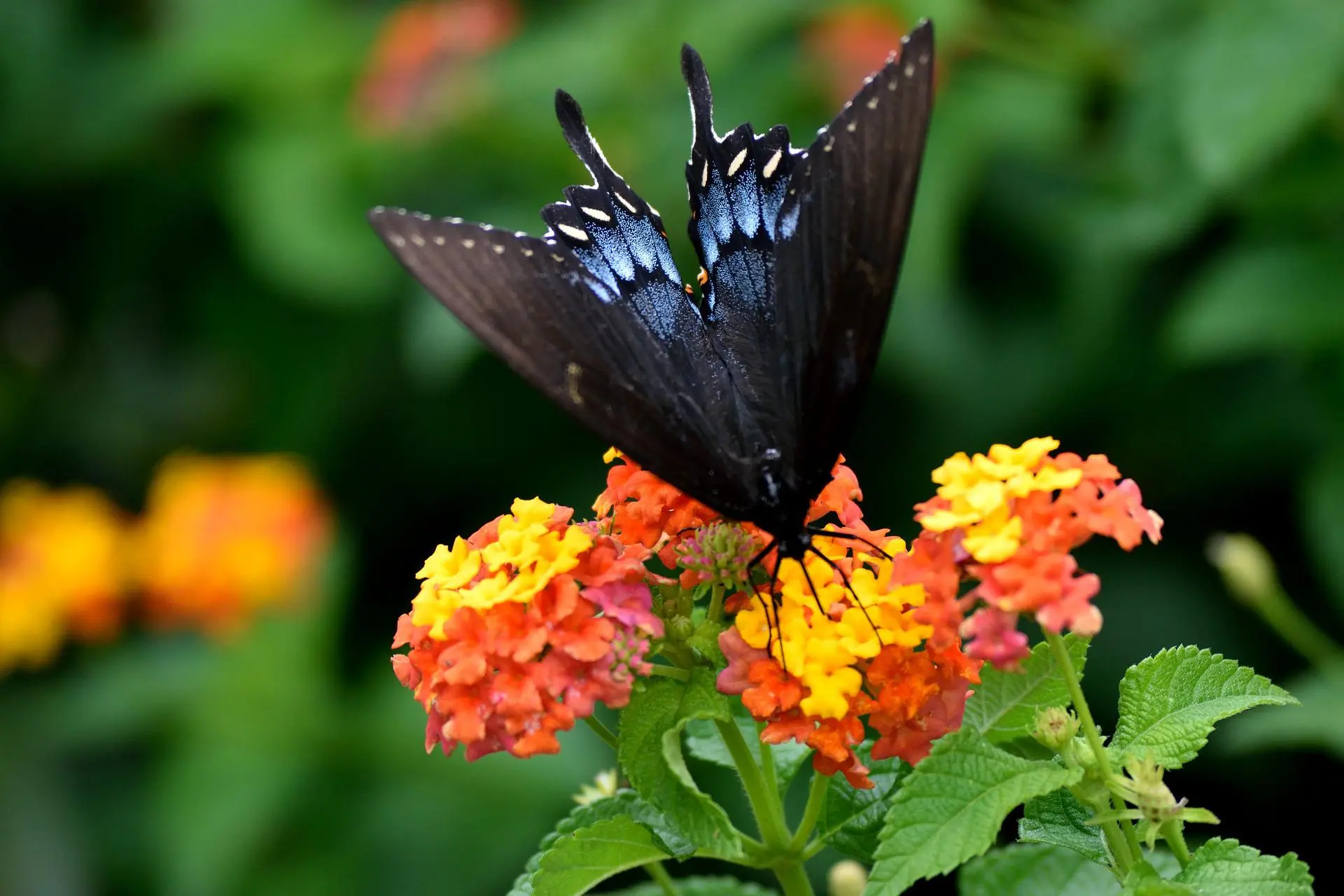
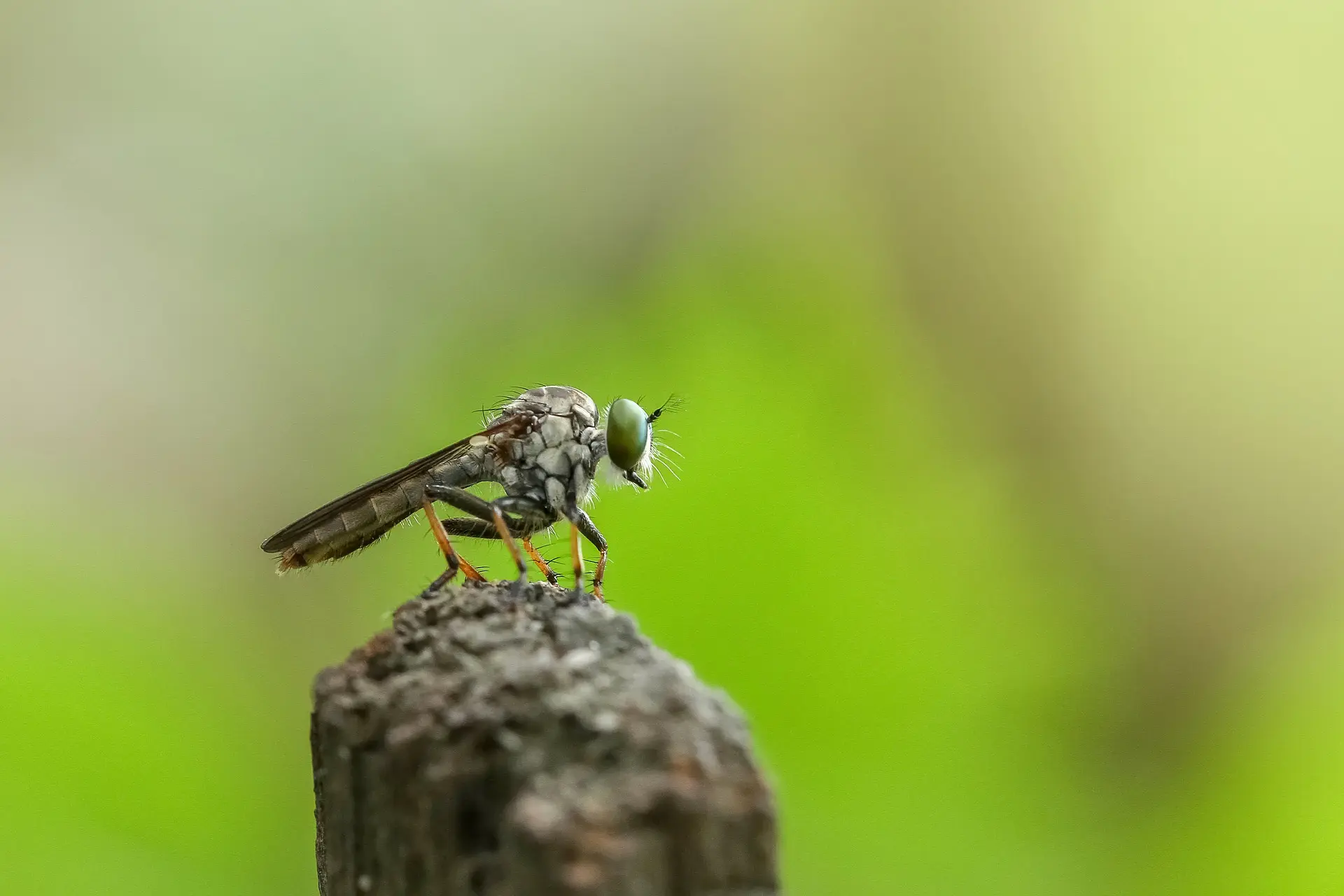
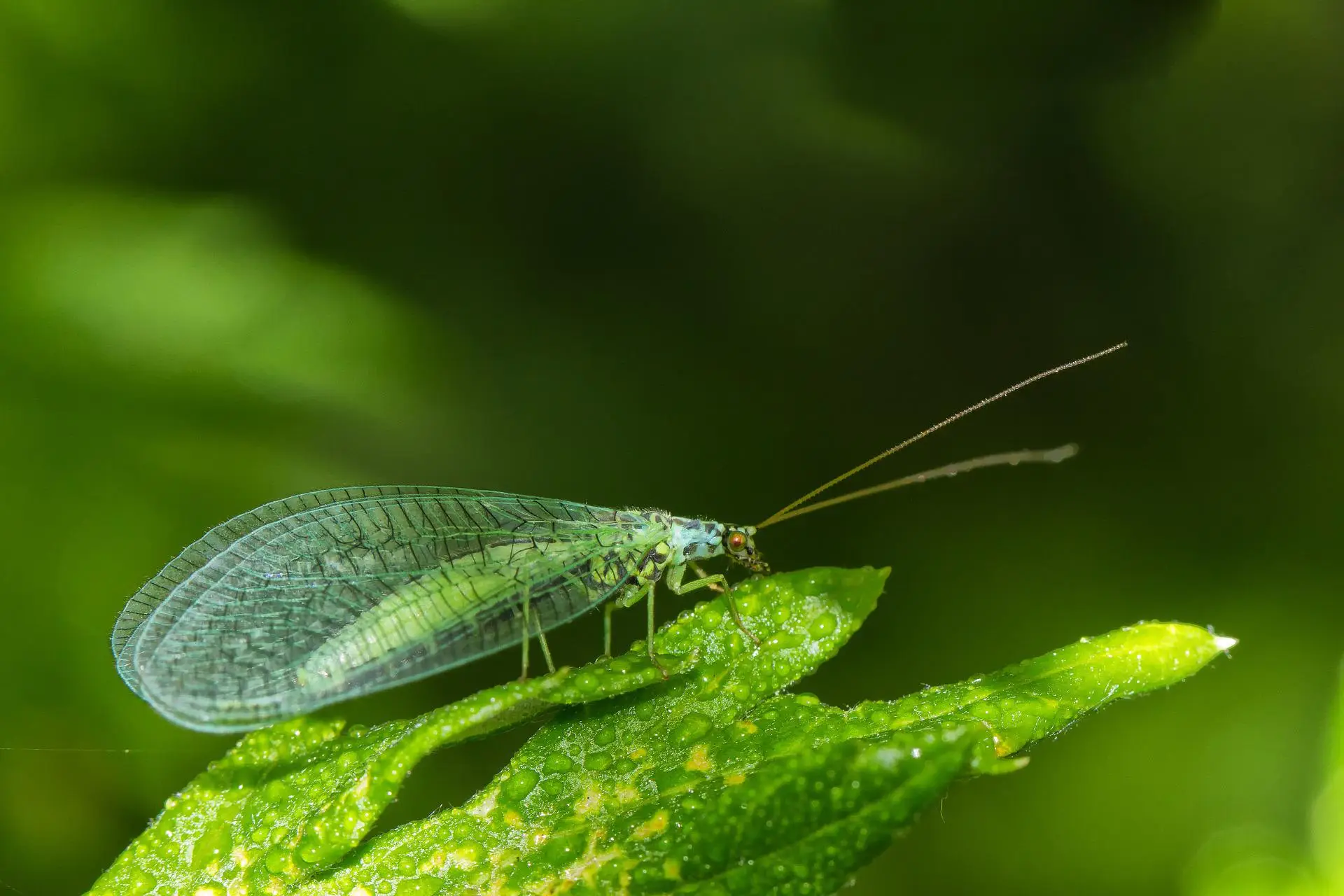
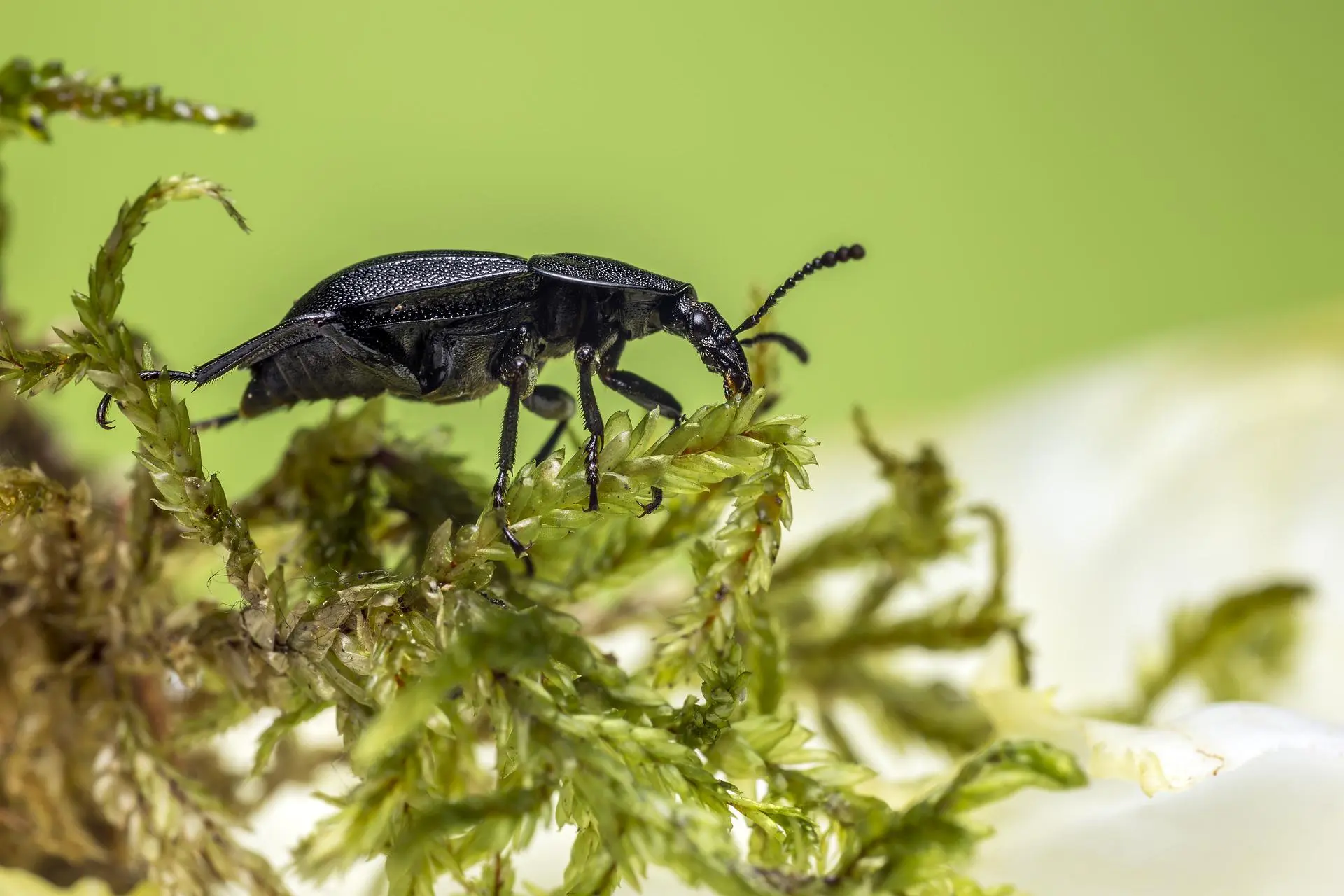
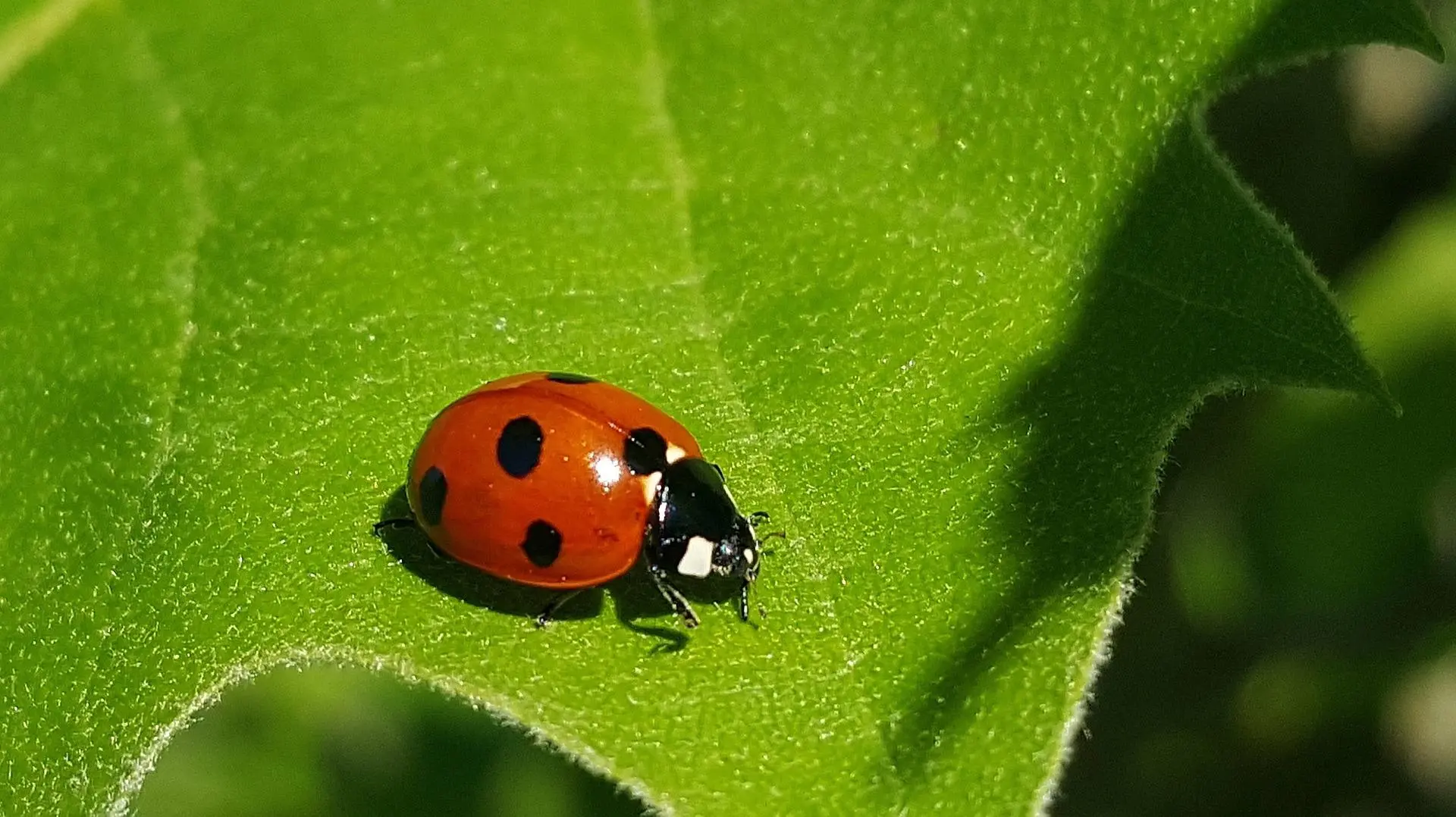
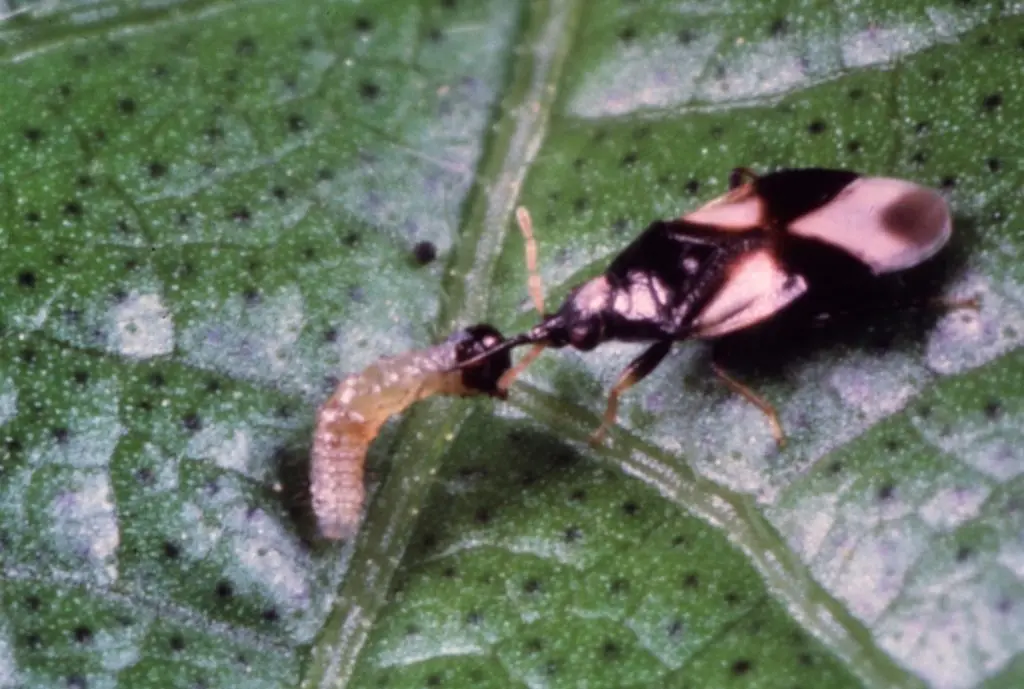
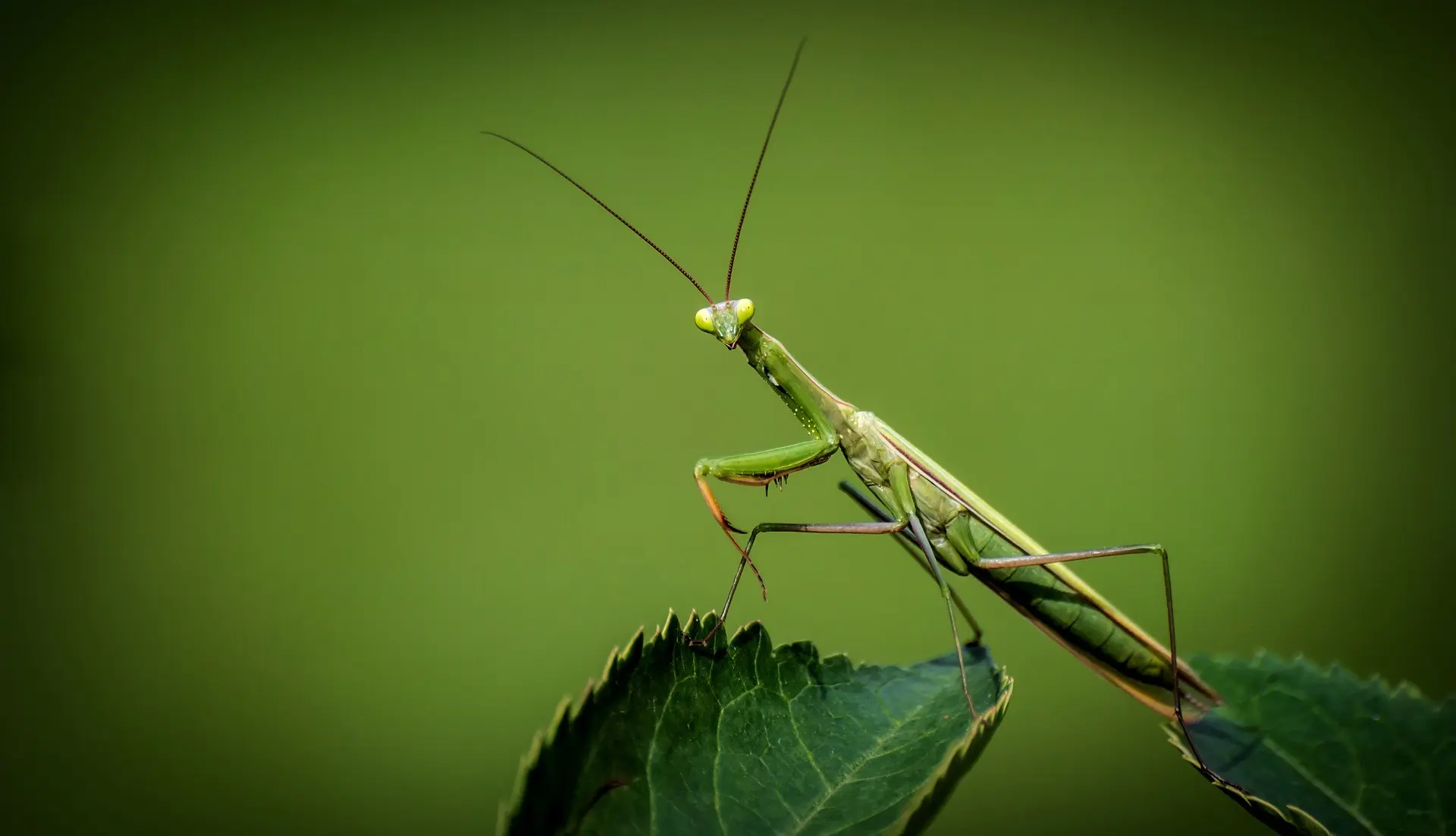
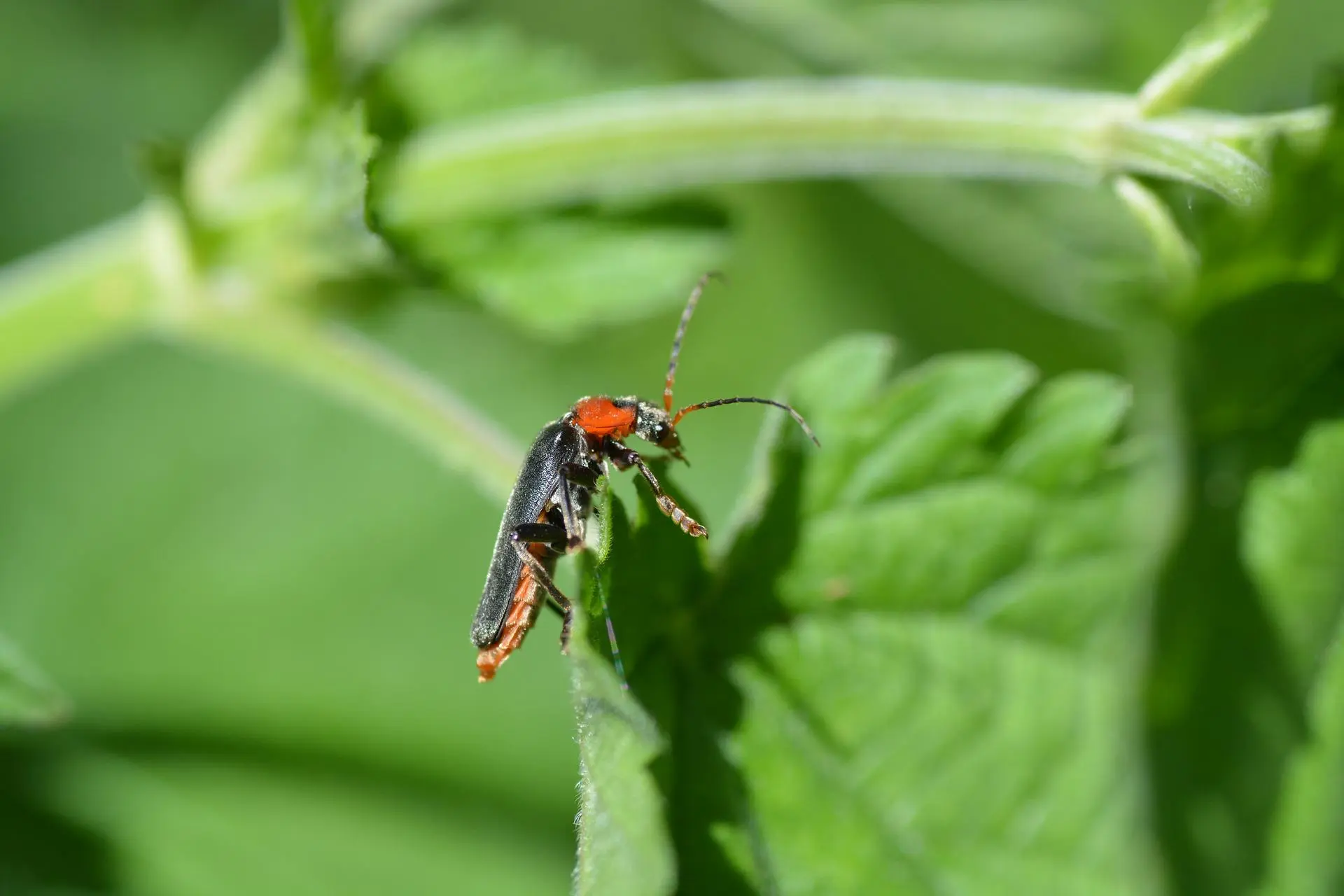
Beneficial Critters
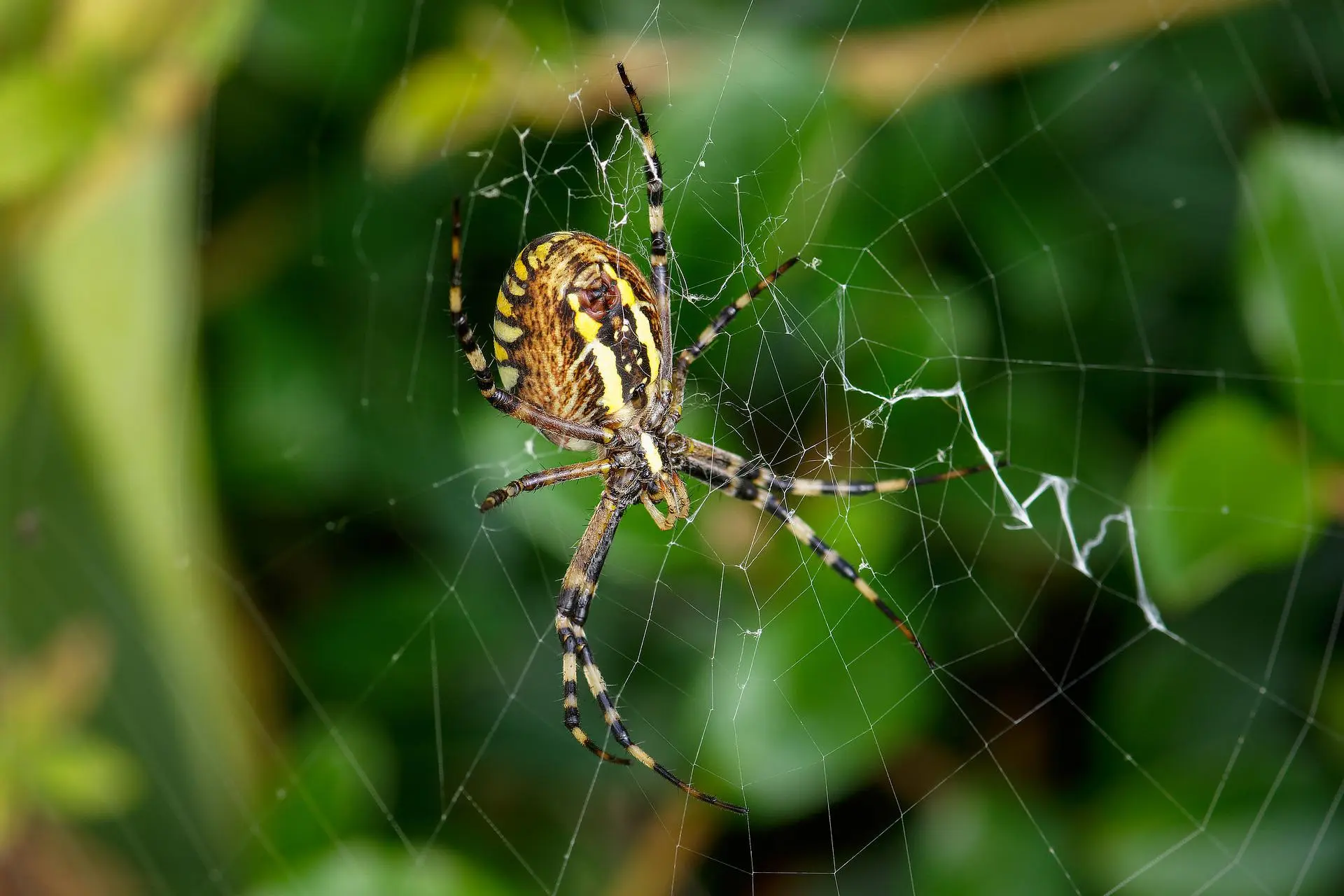
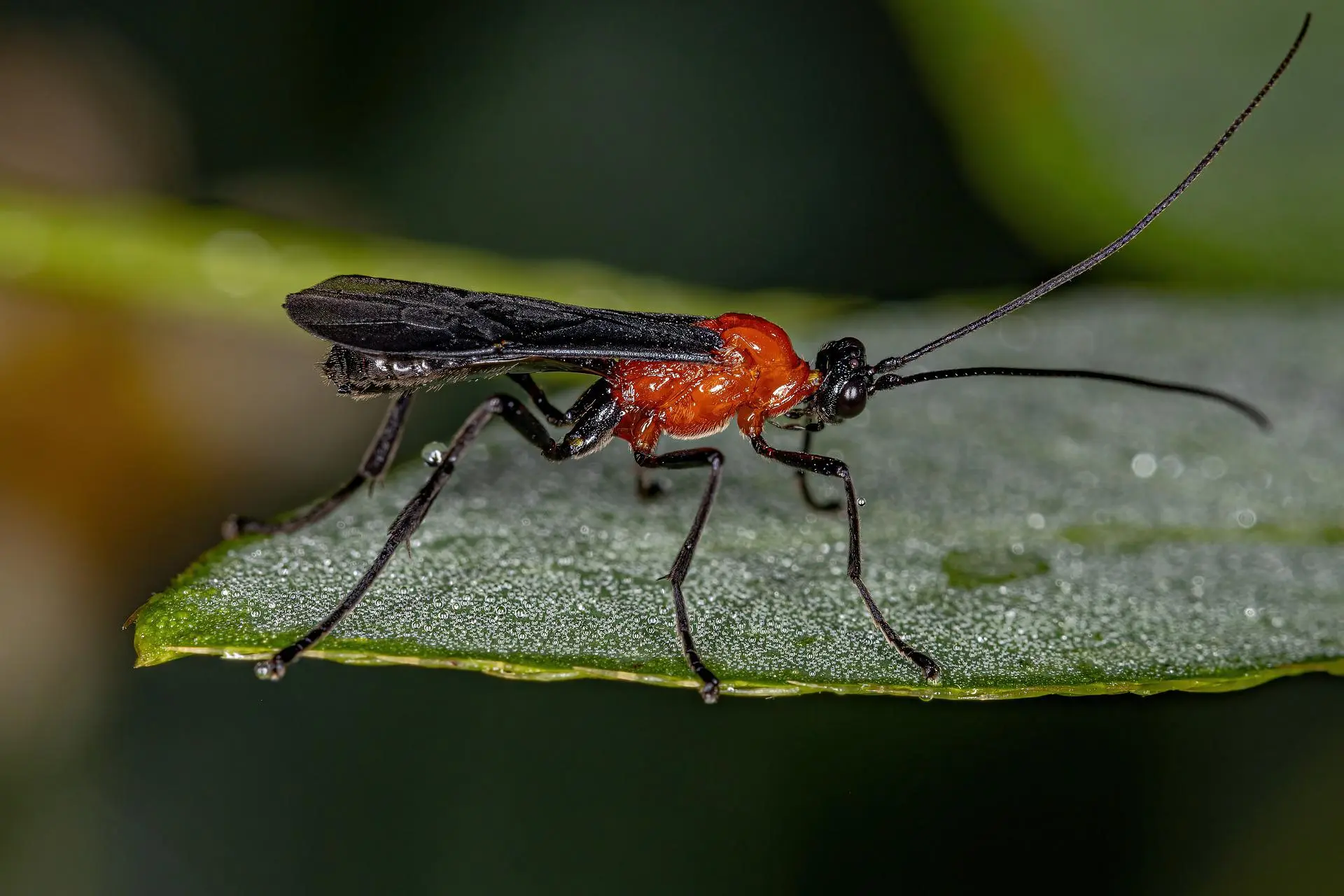
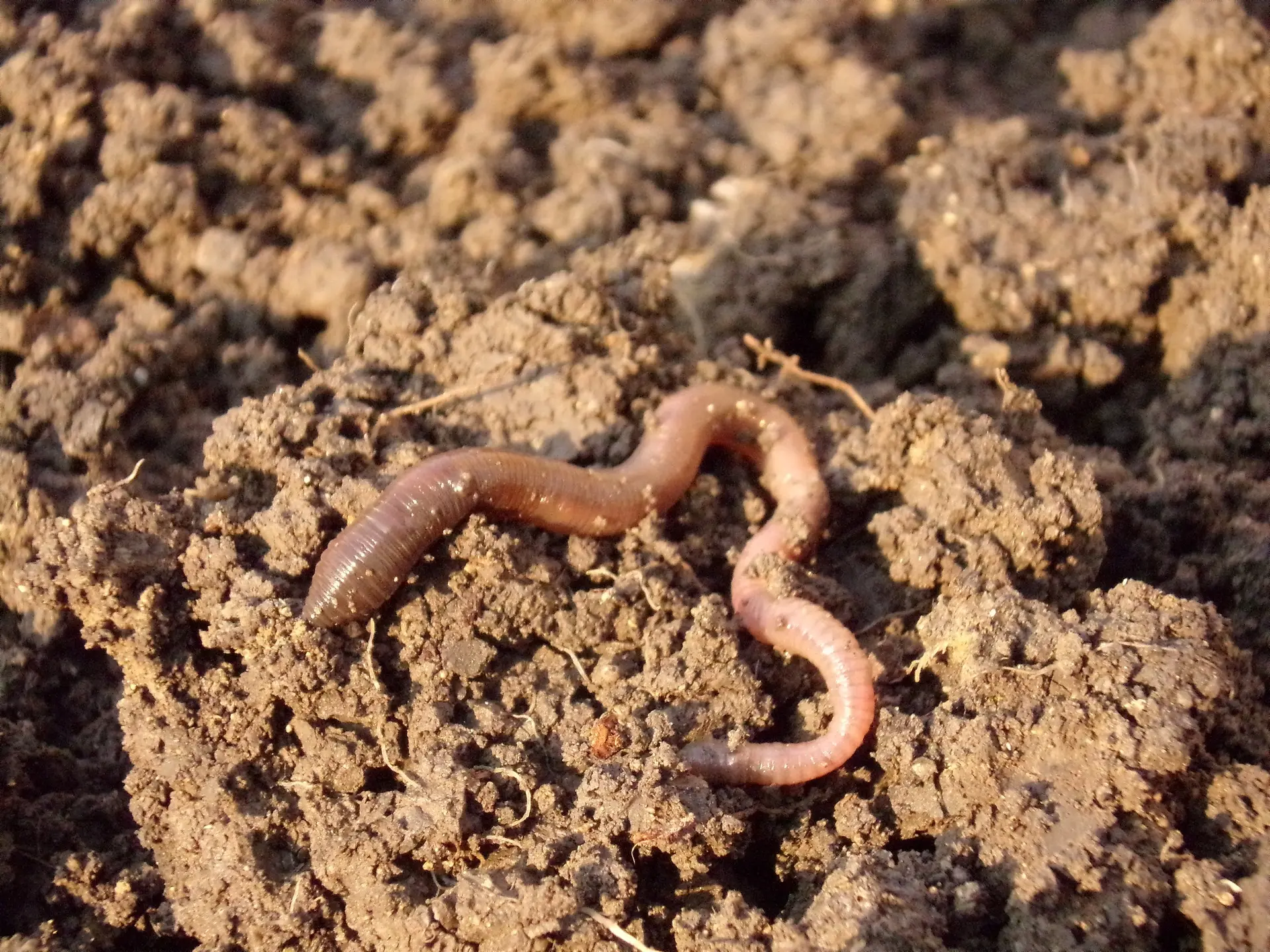
Growing from Seed
Press seeds lightly into soil.
Planting Considerations
Dianthus need well-drained soil to prevent root rot, and good air circulation to prevent fungal diseases.
Harvesting
Harvest when 10-20% of flowers are open.
Herbal Use
Carnation petals have been used to make the French liqueur Chartreuse.
