


Larkspur
Consolida ajacis
This late spring to early summer bloomer is outstanding in the landscape or cutting garden. One of the true-blue flowers, tall spires of double or single florets cannot be missed! Plants benefit from staking. Other larkspur colors are deep pink, pink, white, and shades of lavender. Dried Larkspur keeps its color very well. All parts of larkspur are poisonous, which makes it resistant to deer and rabbits.
How to Grow Larkspur
Quick Info


Put away the pen and paper
Plan your veggie garden in minutes with Planter's easy drag and drop planner.
Try Planter for Free
Varieties
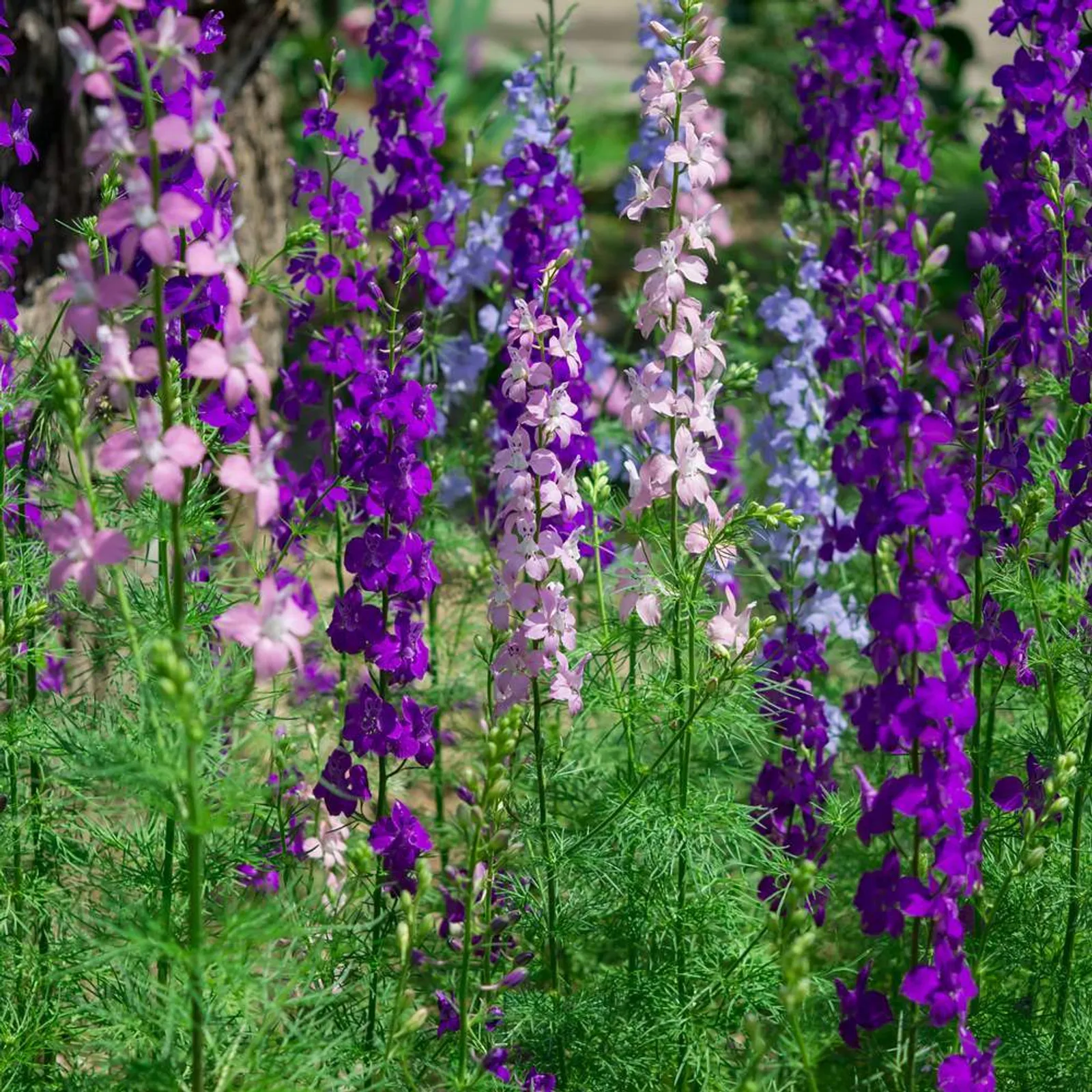 Photo: Botanical Interests
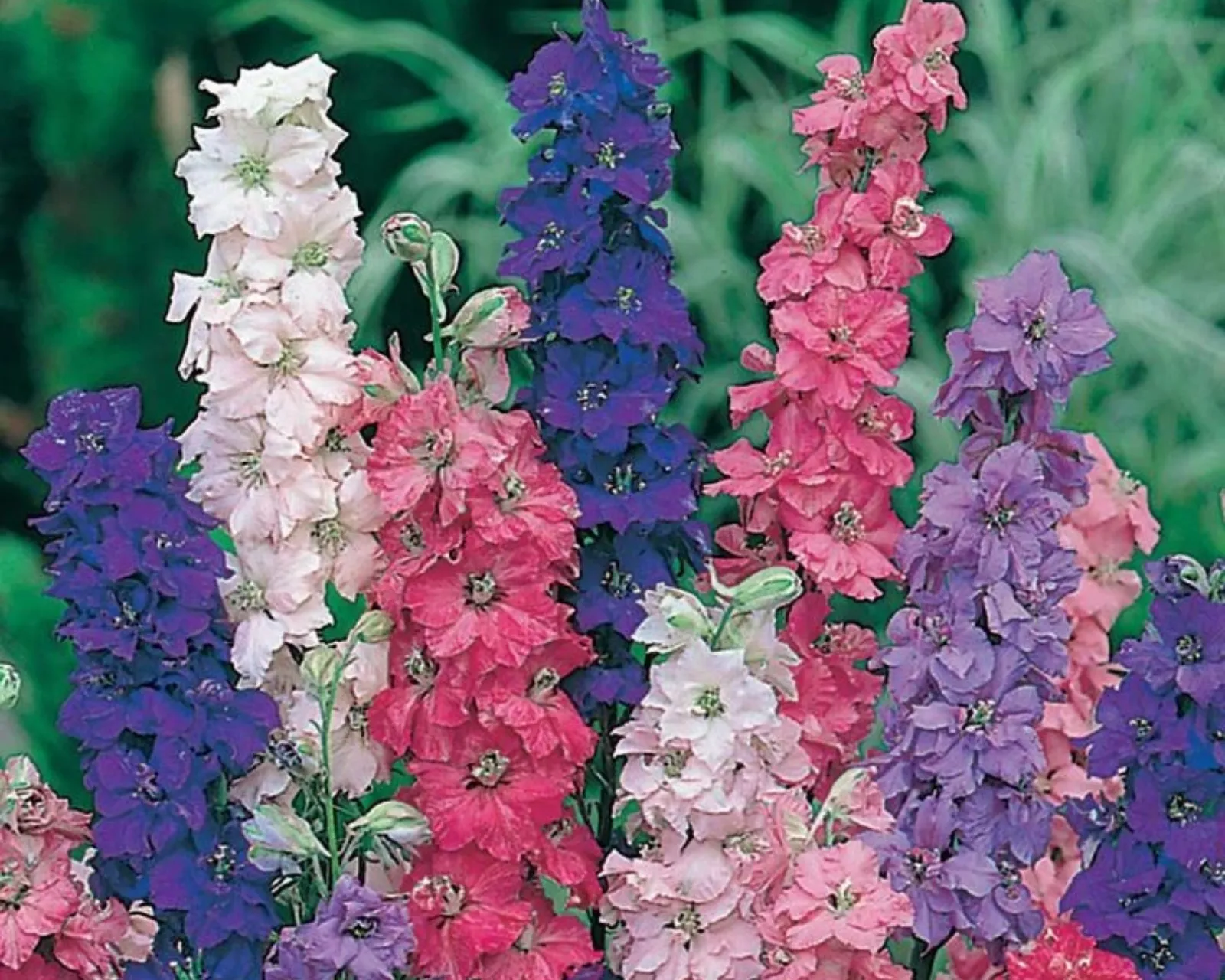 Photo: Seeds 'n Such
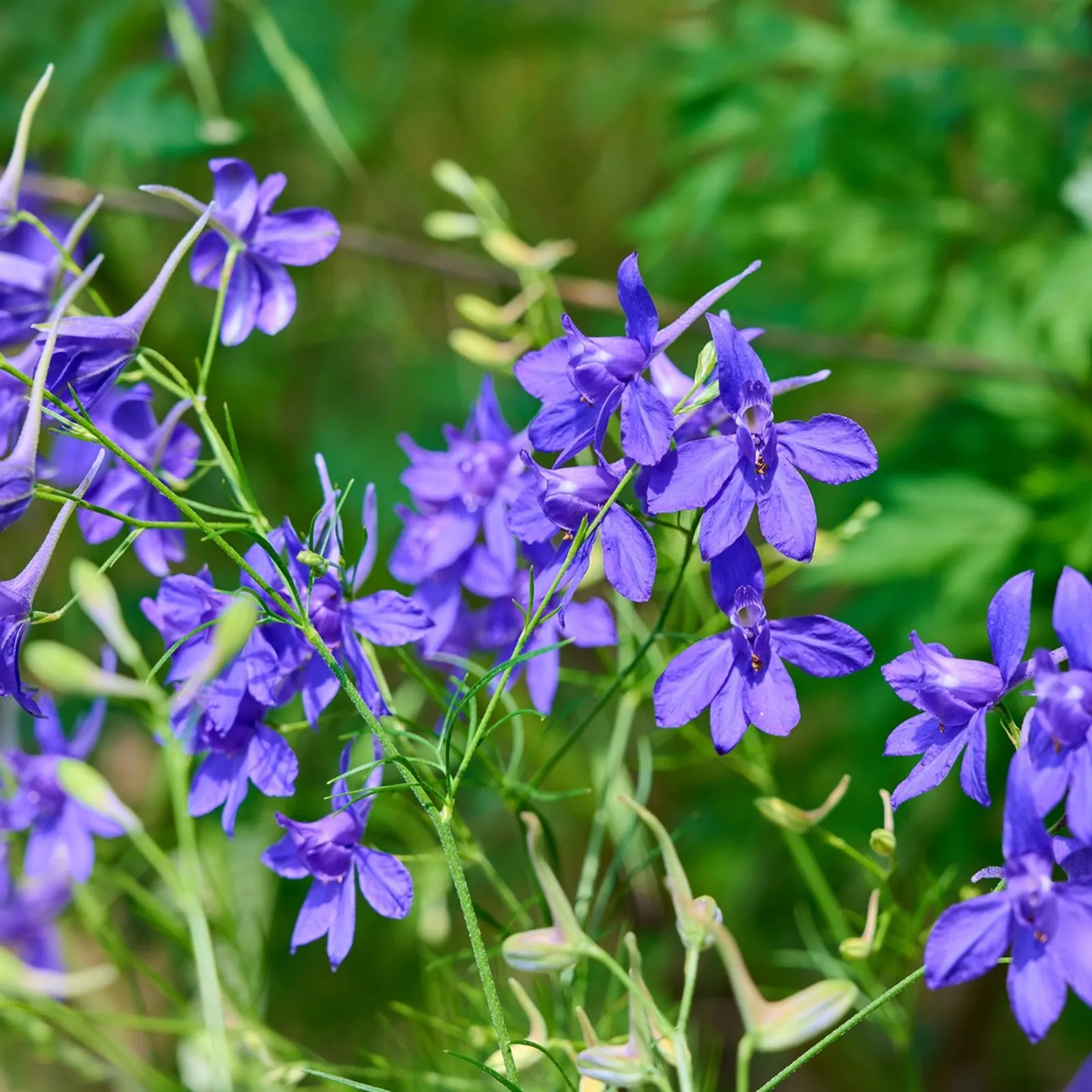 Photo: Botanical Interests
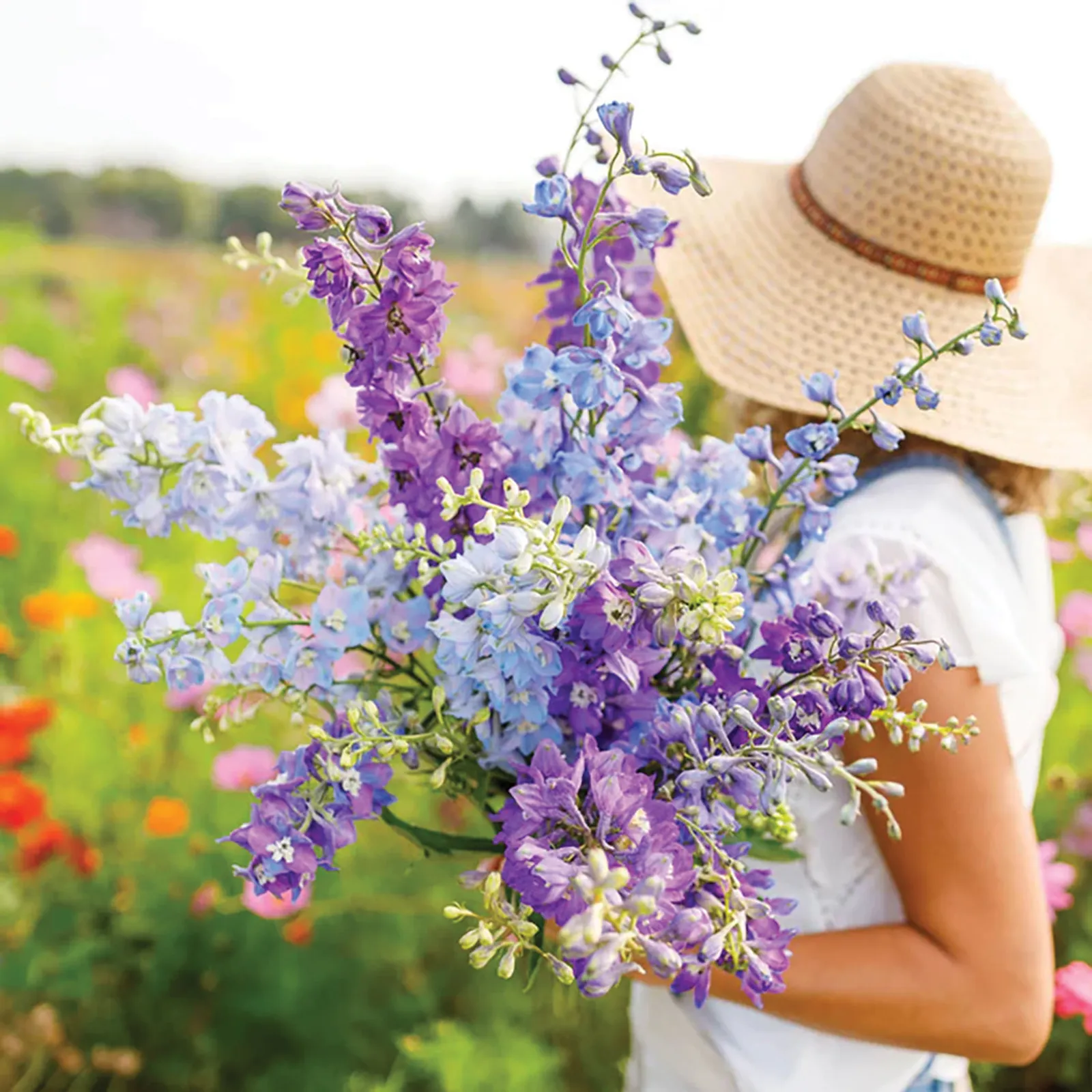 Photo: MIgardener
Related Articles
Diseases
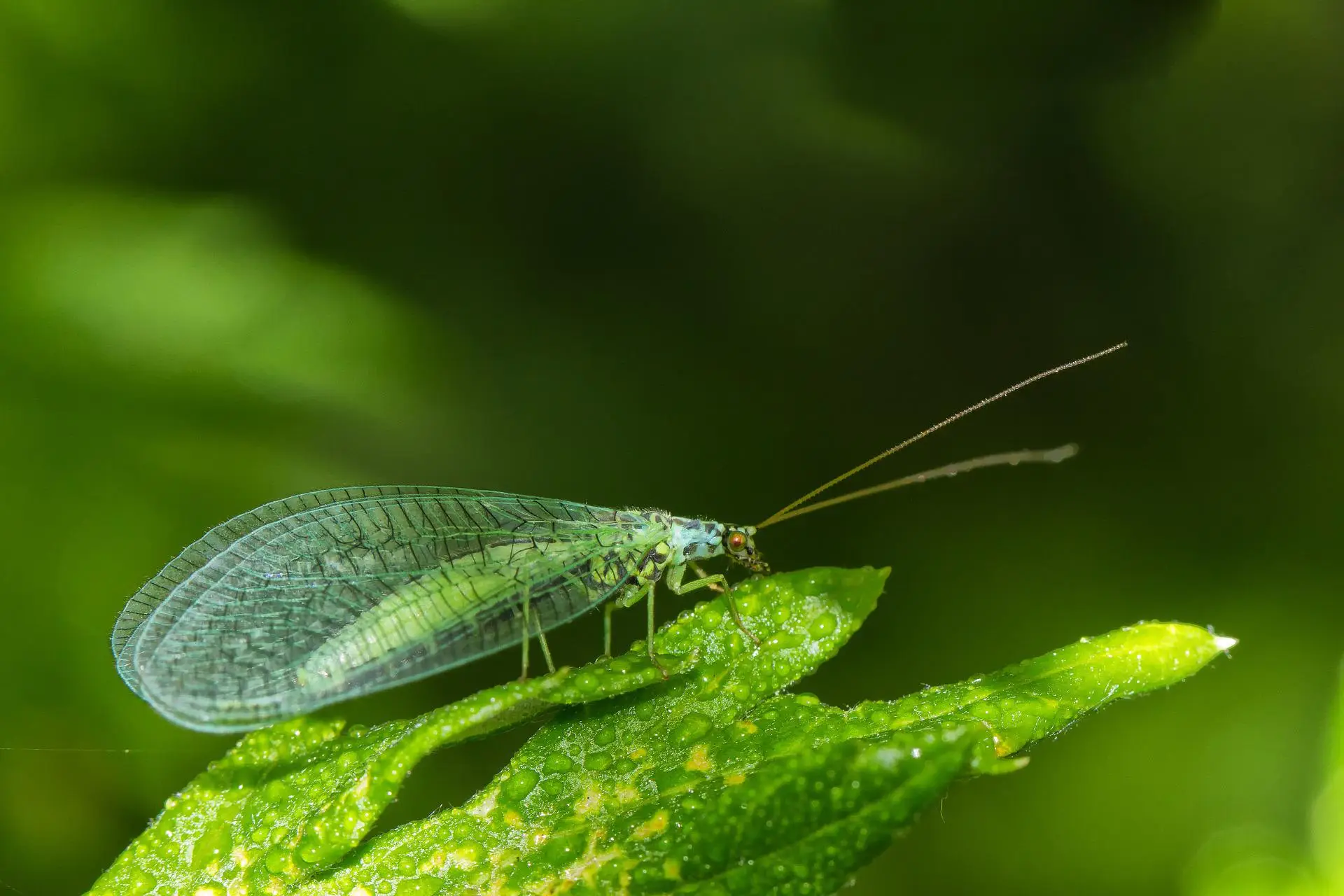
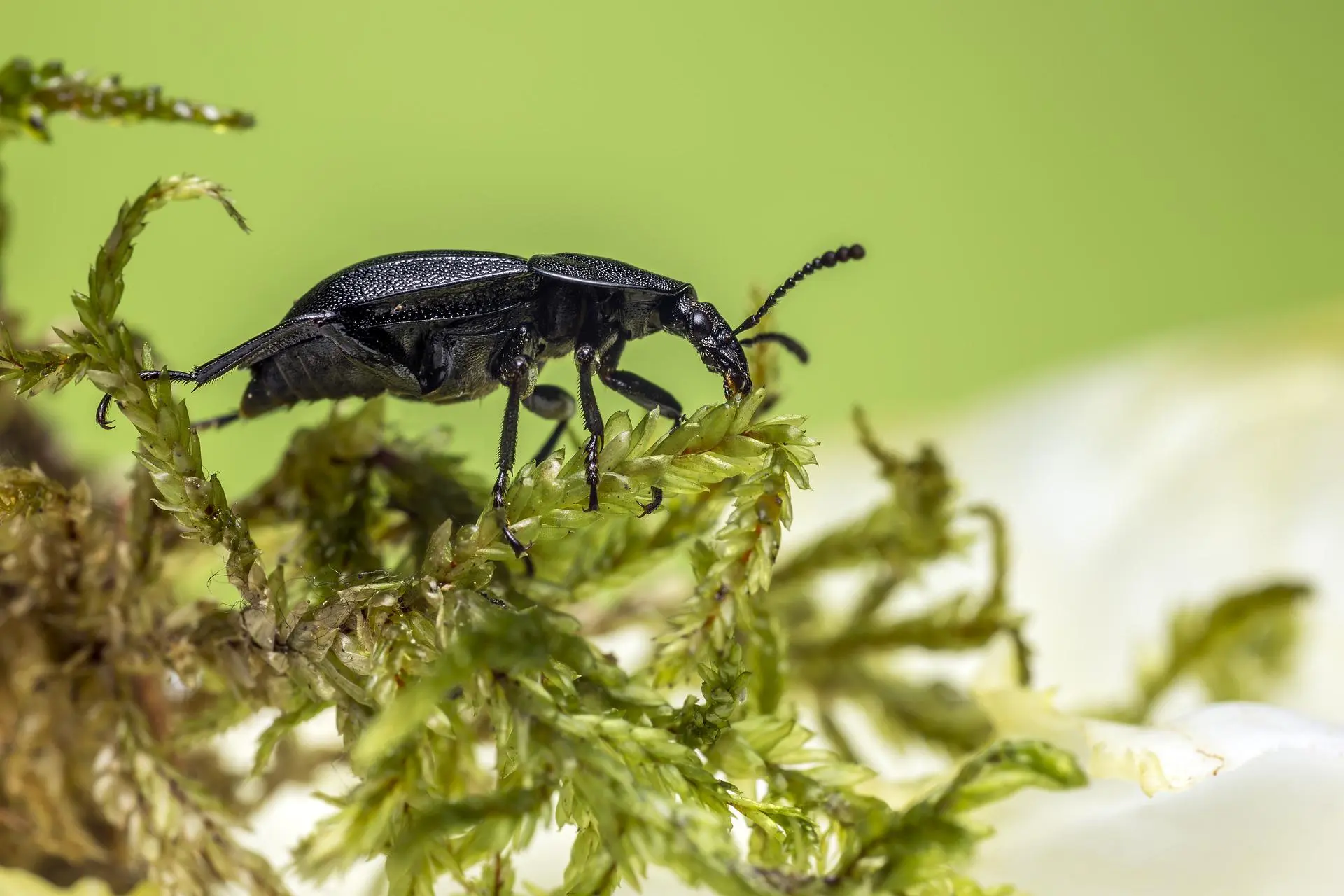
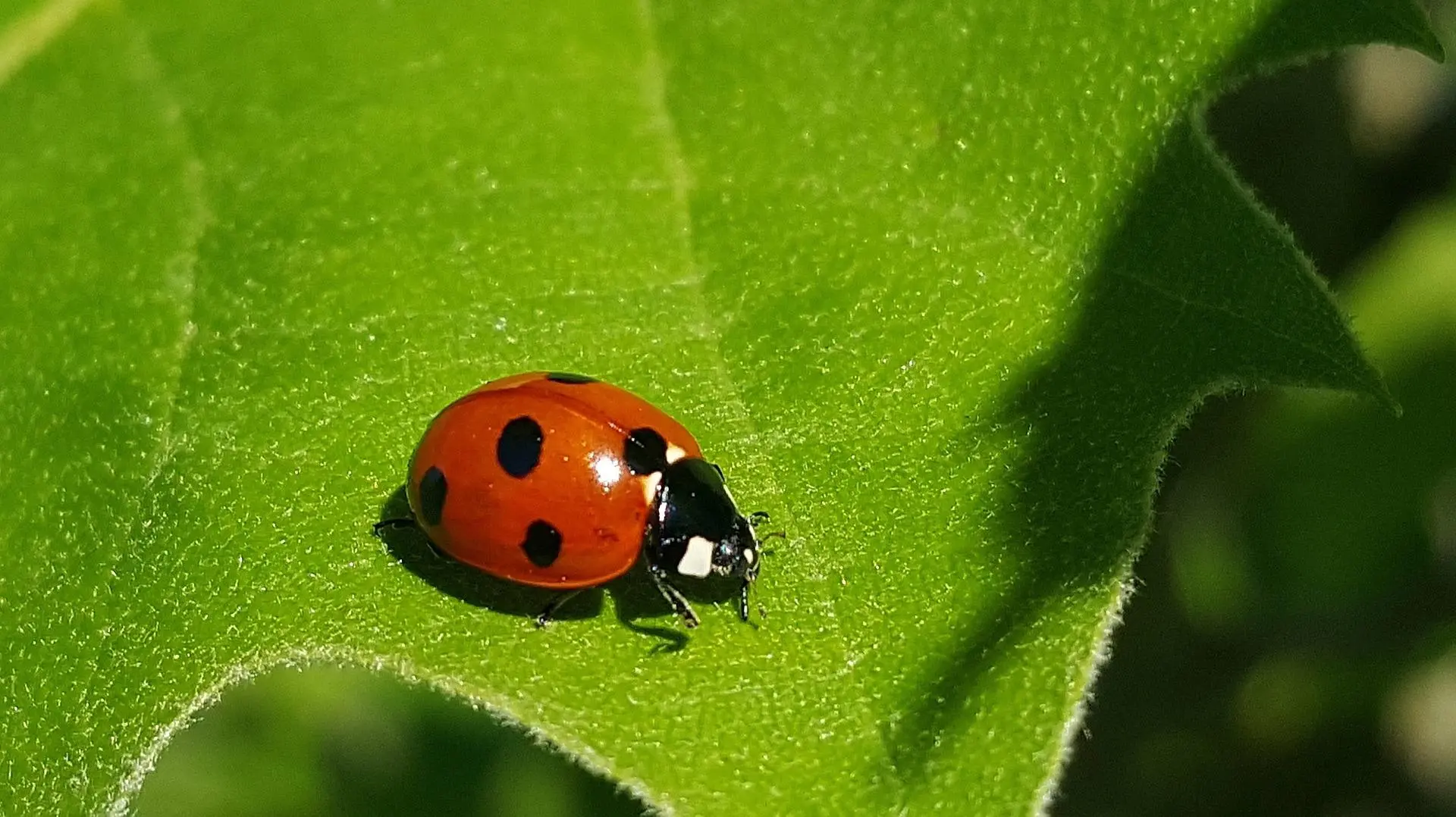
Beneficial Critters
Growing from Seed
Seeds need darkness to germinate and prefer direct seeding. Seeds can be planted in fall to overwinter and bloom earlier in spring, or sown outside 3-4 weeks before last frost. Larkspur self-sows when flowers are left to go to seed.
Planting Considerations
All parts of Larkspur are poisonous. Plant with caution around children and pets. Larkspur will need to be staked or use horizontal netting.
Harvesting
Pick Larkspur when the first few florets at the base of the spike are open. For drying, pick when all flowers are open.
