Varieties of Mint
18 varieties
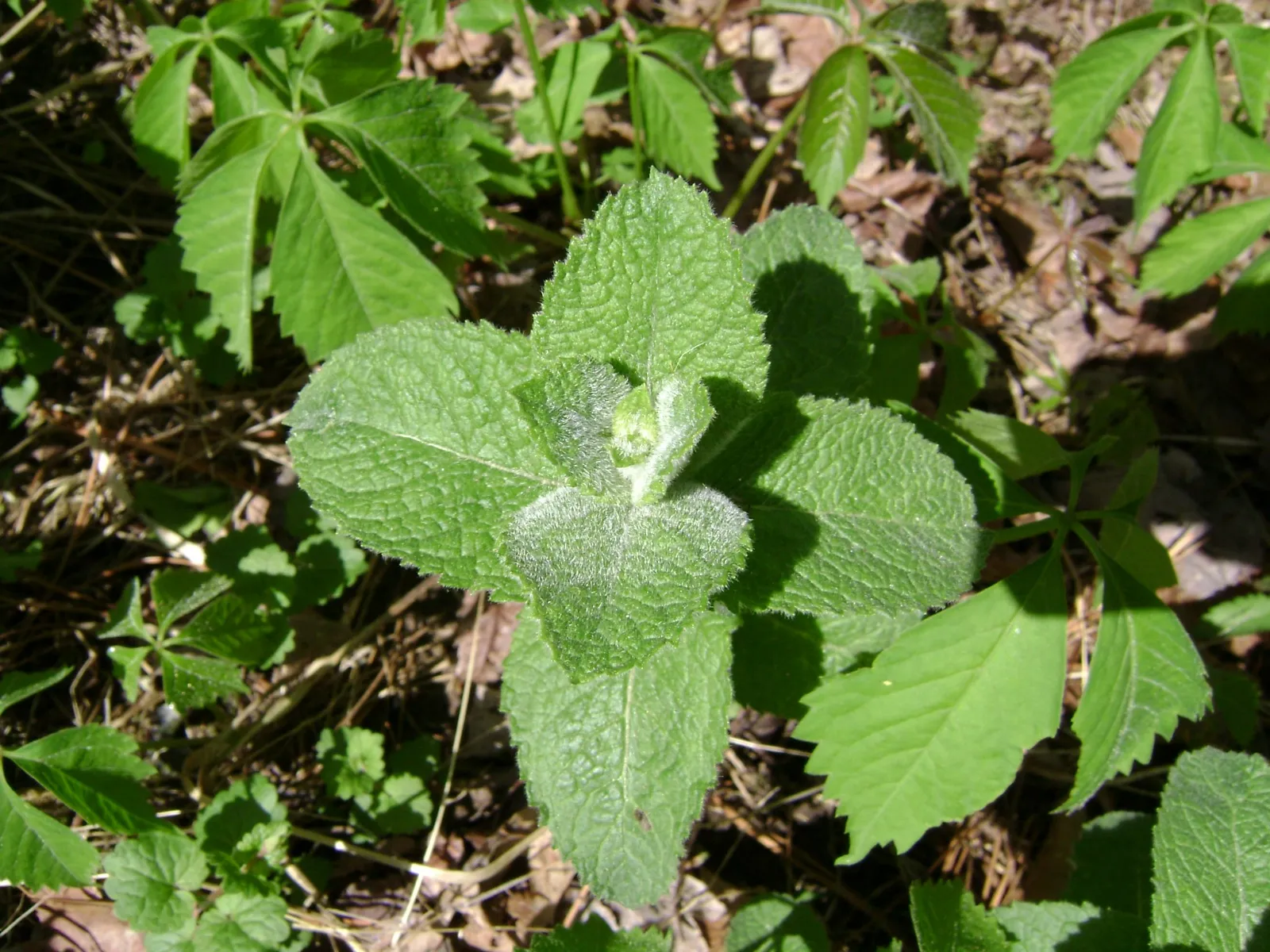
Apple
Apple mint is a great addition to iced drinks and salads.
Banana
This form of mint is aptly named for its banana-like scent.
Calamint
This variety of mint is excellent for attracting pollinators.
Catmint
Catmint is similar to catnip and can also be used for insect repelling purposes.
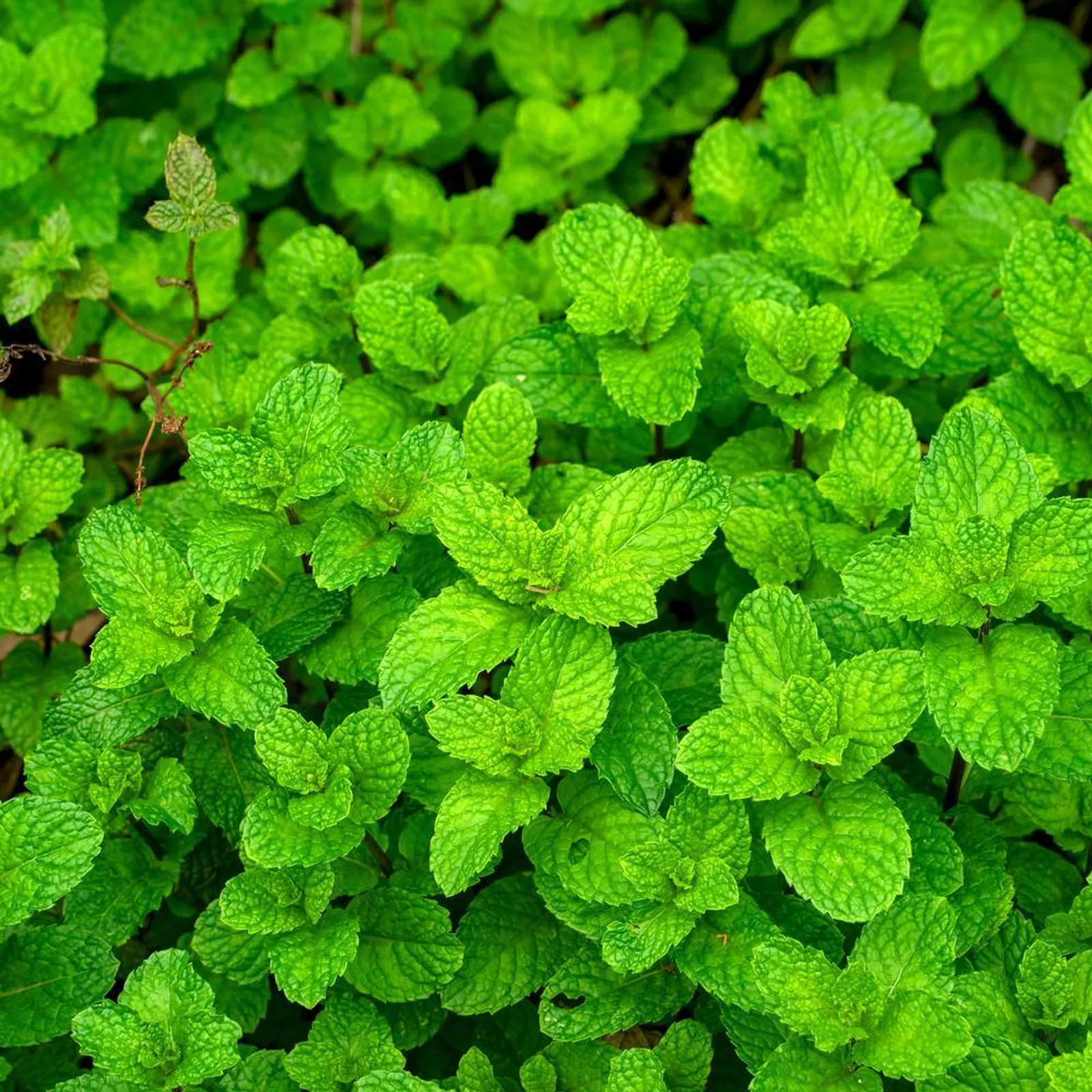 Photo: Botanical Interests
Common
A versatile aromatic herb prized for its refreshing flavor in drinks and savory dishes, also attracting beneficial bees.
Grapefruit
This variety of mint tends to be less invasive than others in the garden!
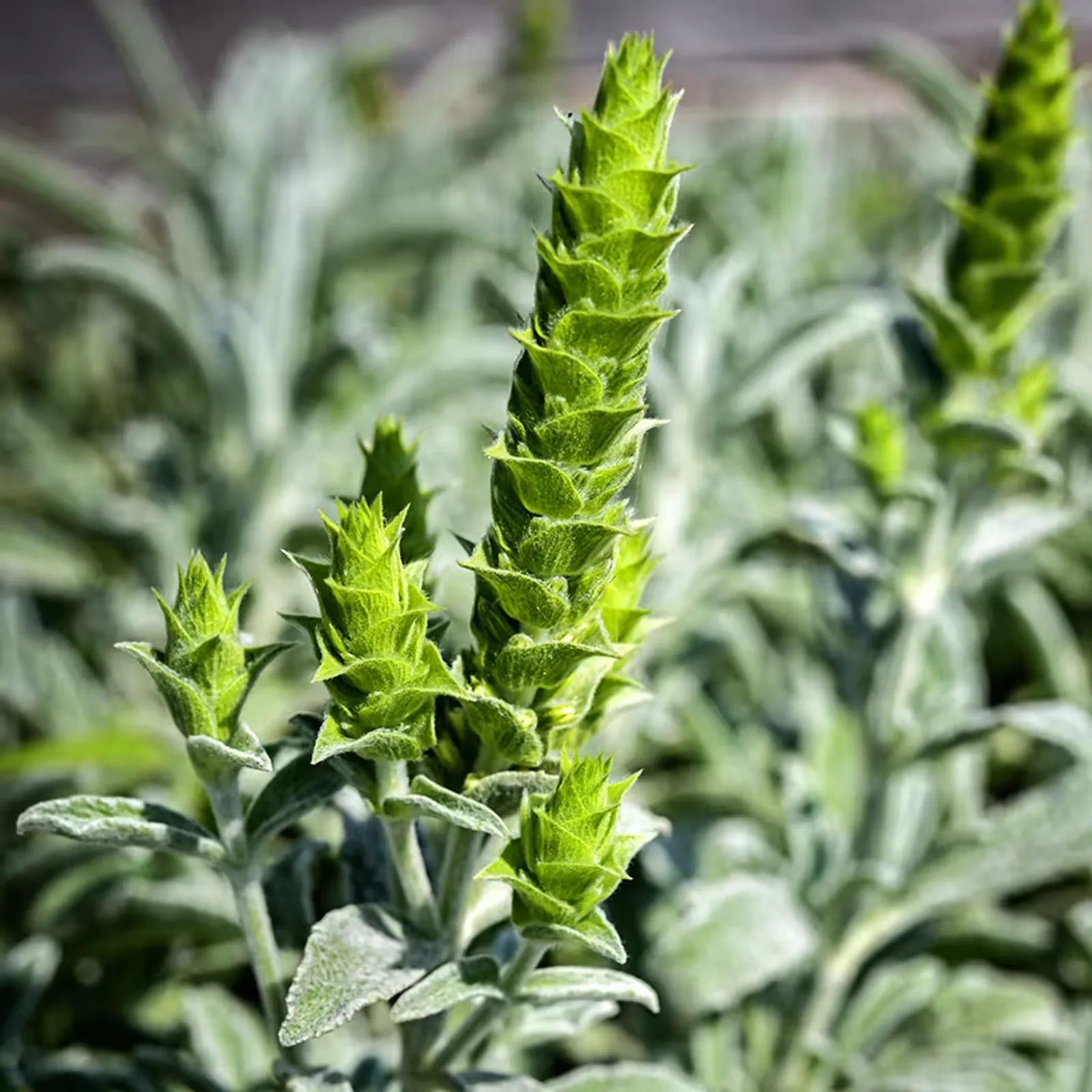 Photo: Baker Creek
Greek Mountain Tea
Brew a mellow minty tea or attract pollinators. Low-growing sub-shrub, 15 inches tall, 1 foot wide. Silvery, fuzzy leaves.
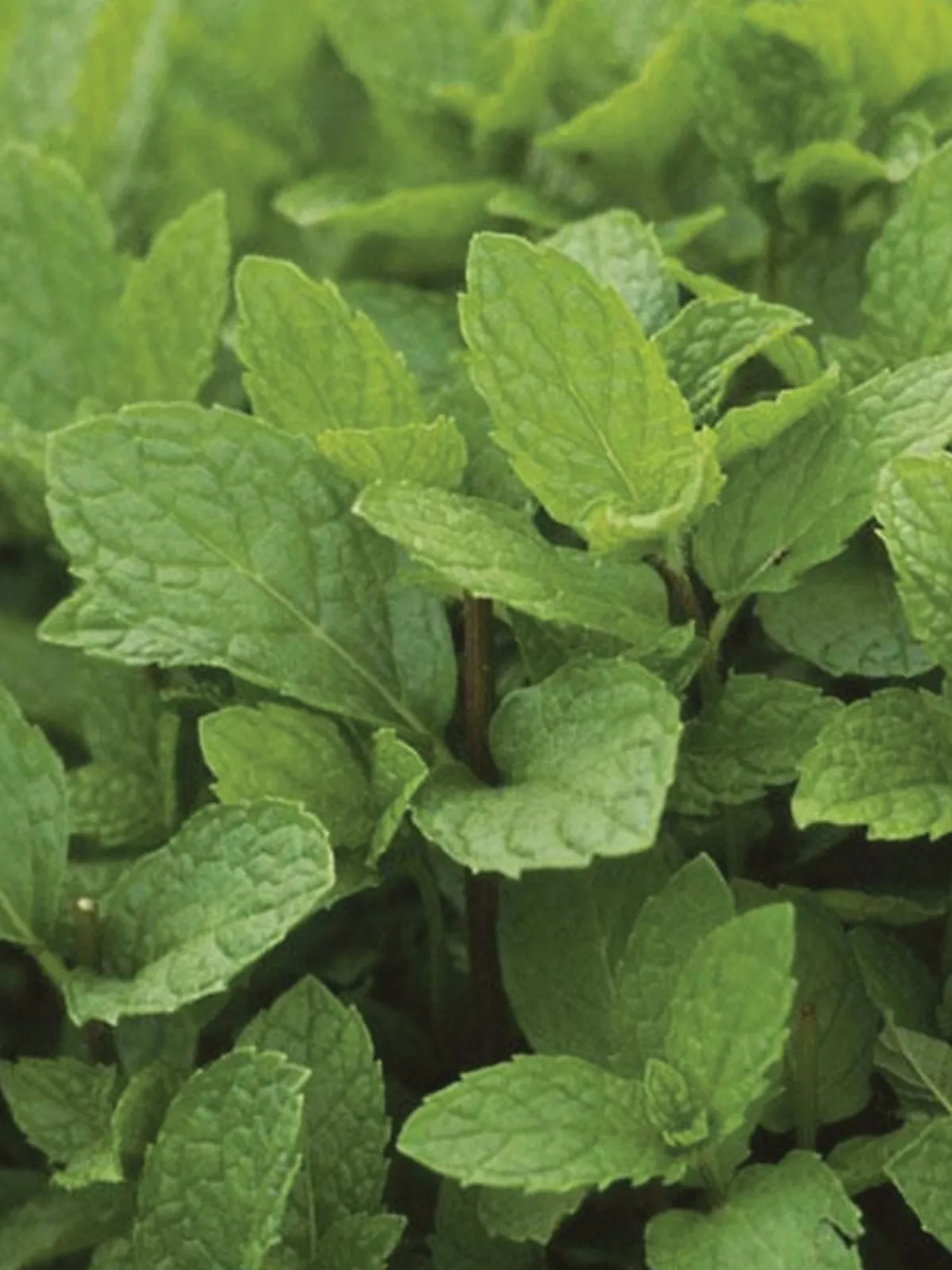 Photo: Burpee
Kentucky Colonel
The basis for the famous little ole southern drink.
Lavender
Lavender mint is a fragrant plant that can be used in teas as well as lip balms and other self-care products.
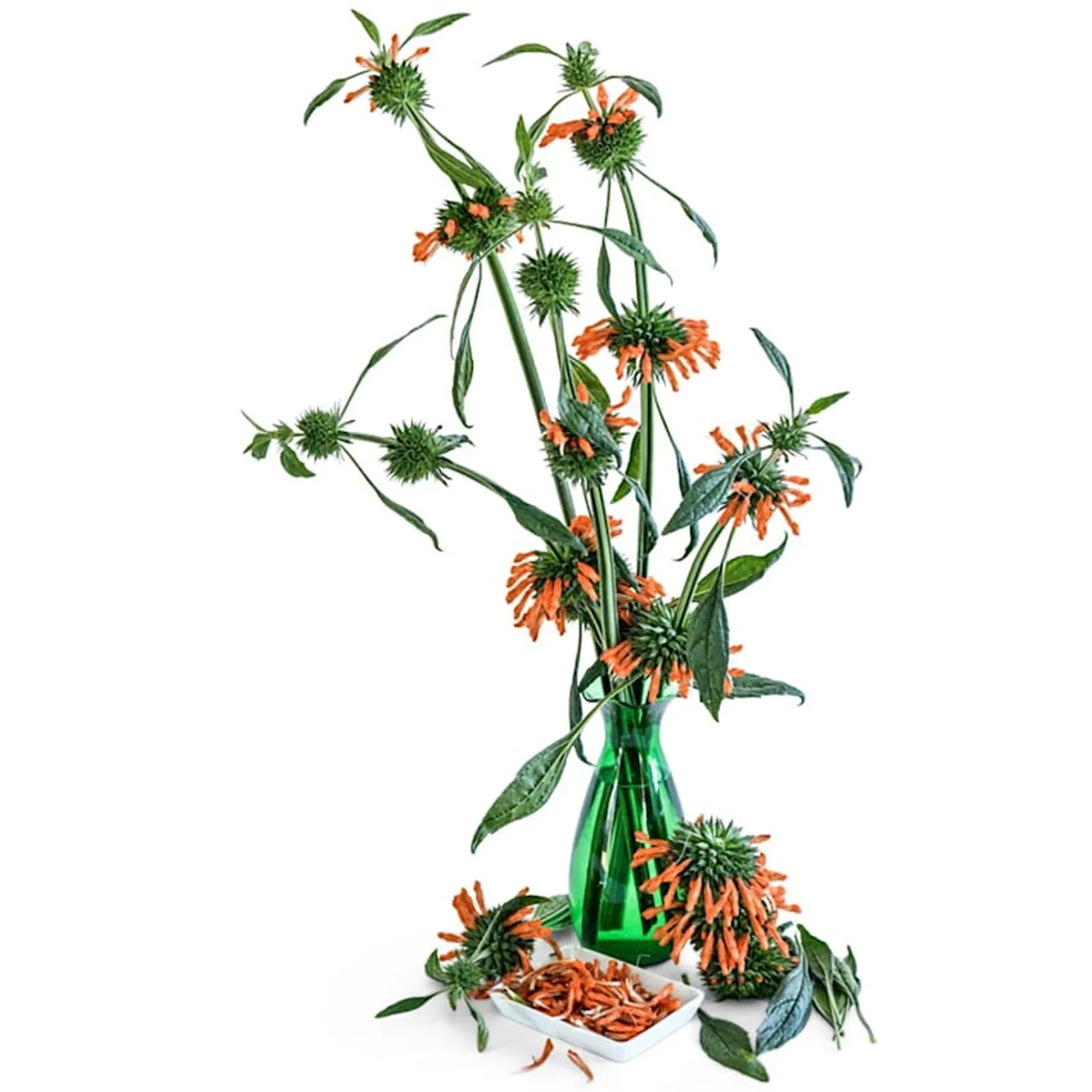 Photo: Baker Creek
Lion's Ear or Klip Dagga
Stunning peachy-orange flowers on a tall tropical plant. Used in folk medicine. Caution: mild narcotic.
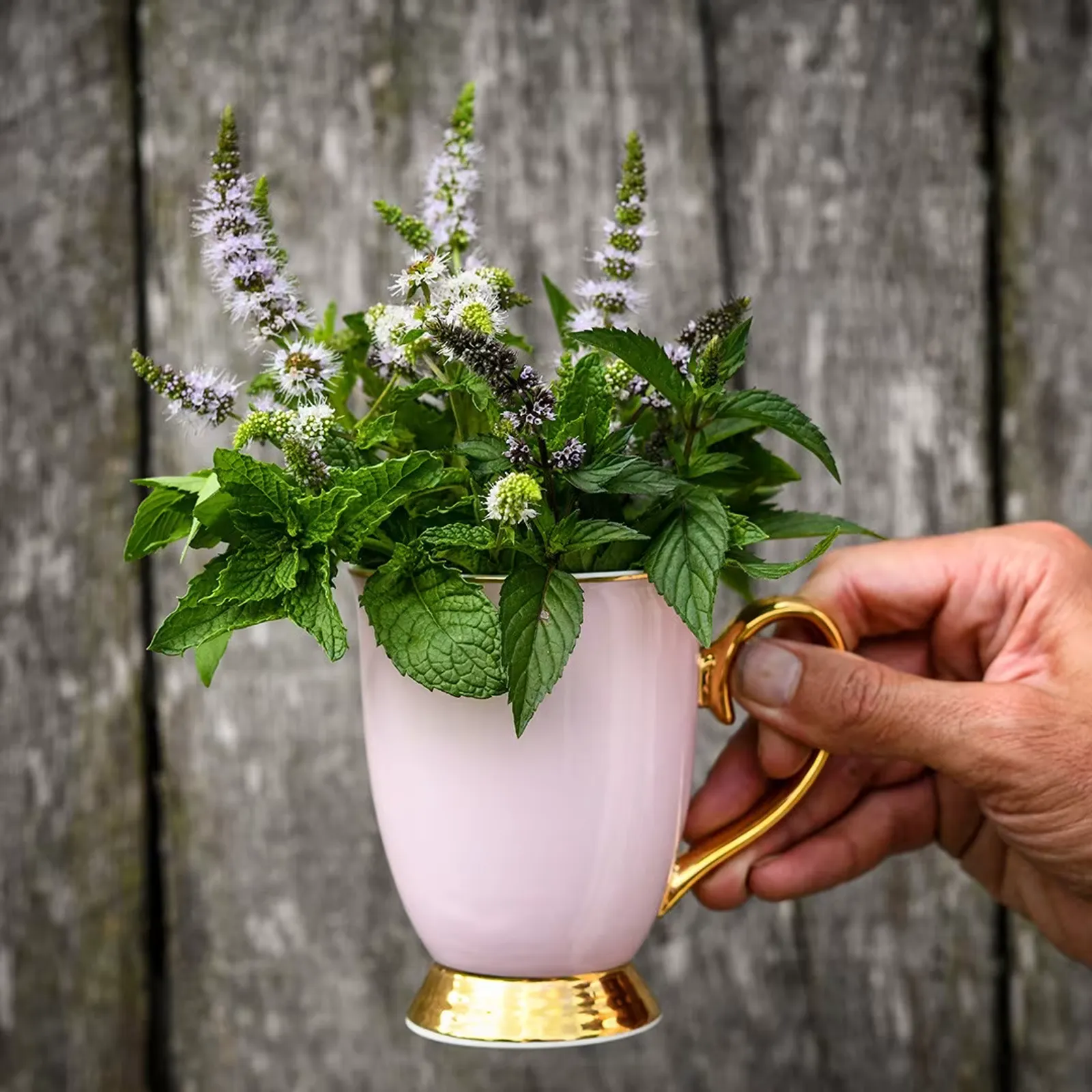 Photo: Baker Creek
Marvelous Mix
A mix of mint varieties with flavors ranging from spearmint to peppermint or applemint. Attracts beneficial insects.
 Photo: Burpee
Mojito
This variety was discovered in Cuba.
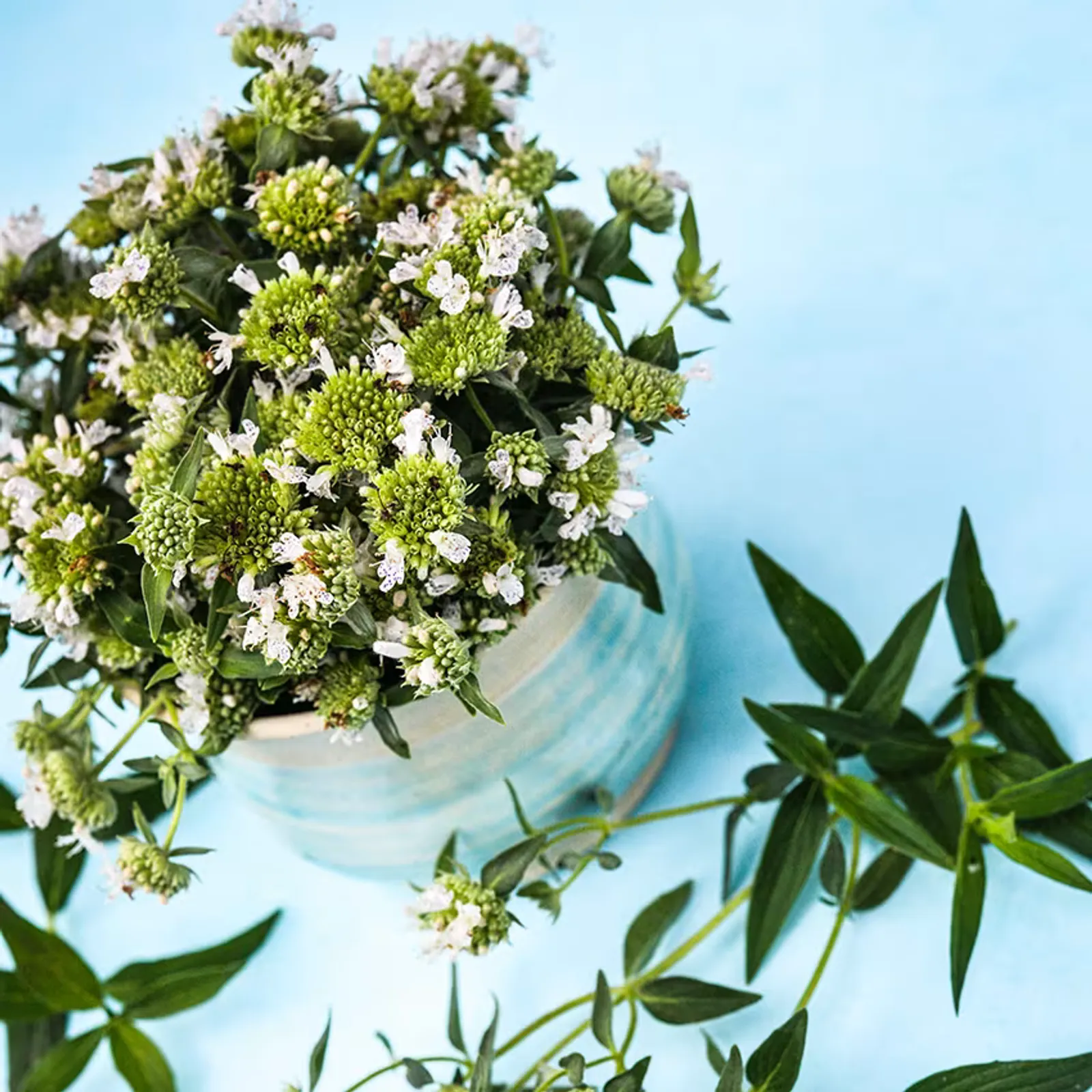 Photo: Baker Creek
Mountain
Top pollinator favorite, easy to grow, fragrant, deters mammals, attracts pollinators, spreads by rhizomes, roots can be cut.
 Photo: Burpee
Orange
Green leaves tinged with red are used in teas, salads and iced drinks
 Photo: Burpee
Peppermint
This vigorous, easy-to-grow herb offers a refreshing, cool flavor for teas and culinary uses, best managed in containers.
 Photo: Burpee
Peppermint Chocolate
Leaves add peppermint-patty flavor to teas, ice cream, and iced drinks
 Photo: Burpee
Pineapple
Fruity fragrance for use in mint sauces, teas, salads, and iced drinks.
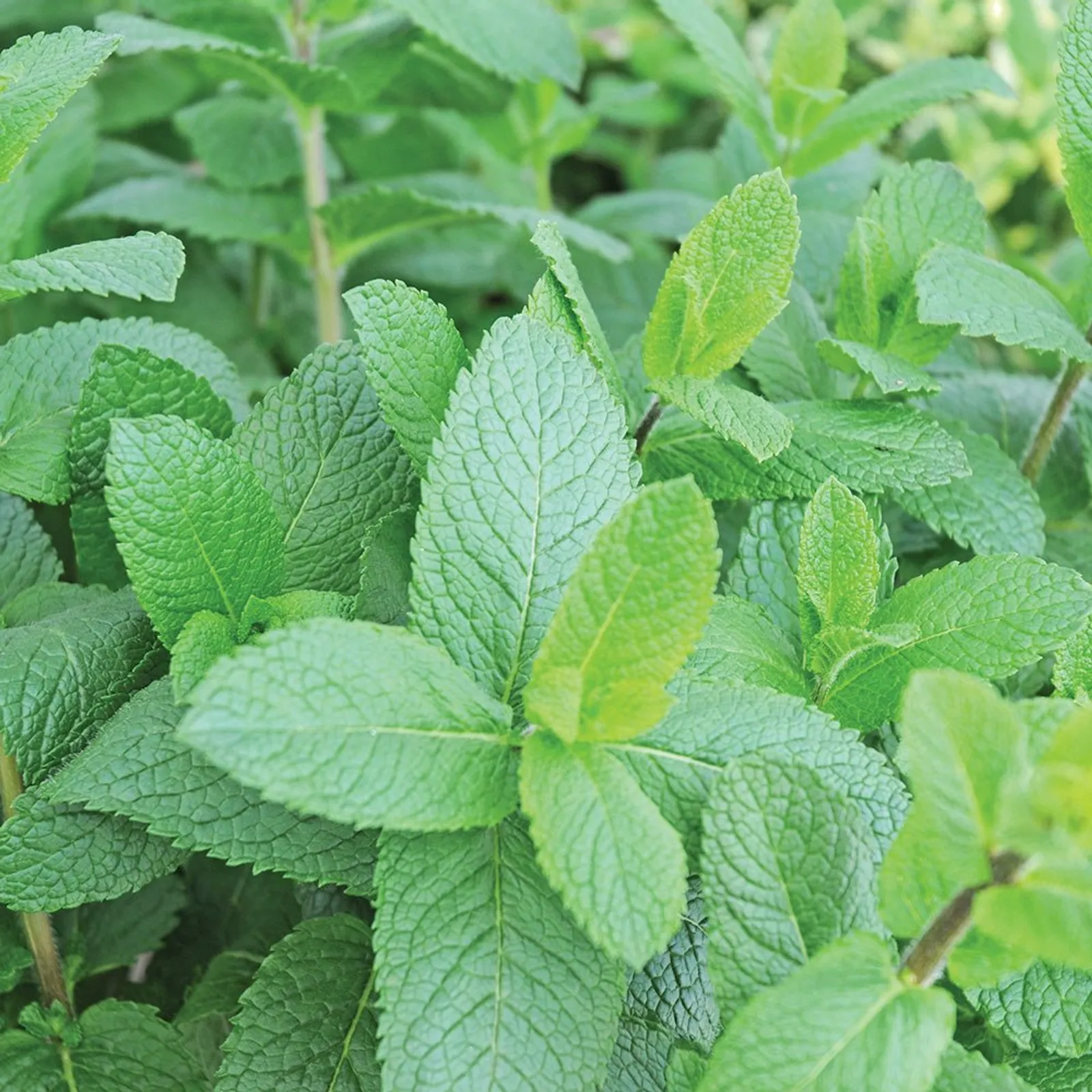 Photo: Ferry-Morse
Spearmint
Prized for its distinctively sweet and refreshing flavor, this vigorous herb is a versatile culinary and wellness addition.