


Okra
Abelmoschus esculentus
Okra is traditionally a southern plant that thrives in warm weather. It is easy to grow and use and looks great throughout the growing season due to its beautiful flowers. Okra is also rich in vitamin A and low in calories. Frequently picking the okra pods leads to the plant flowering more, so regular harvesting is a must!
How to Grow Okra
Quick Info

Put away the pen and paper
Plan your veggie garden in minutes with Planter's easy drag and drop planner.
Try Planter for Free
Varieties
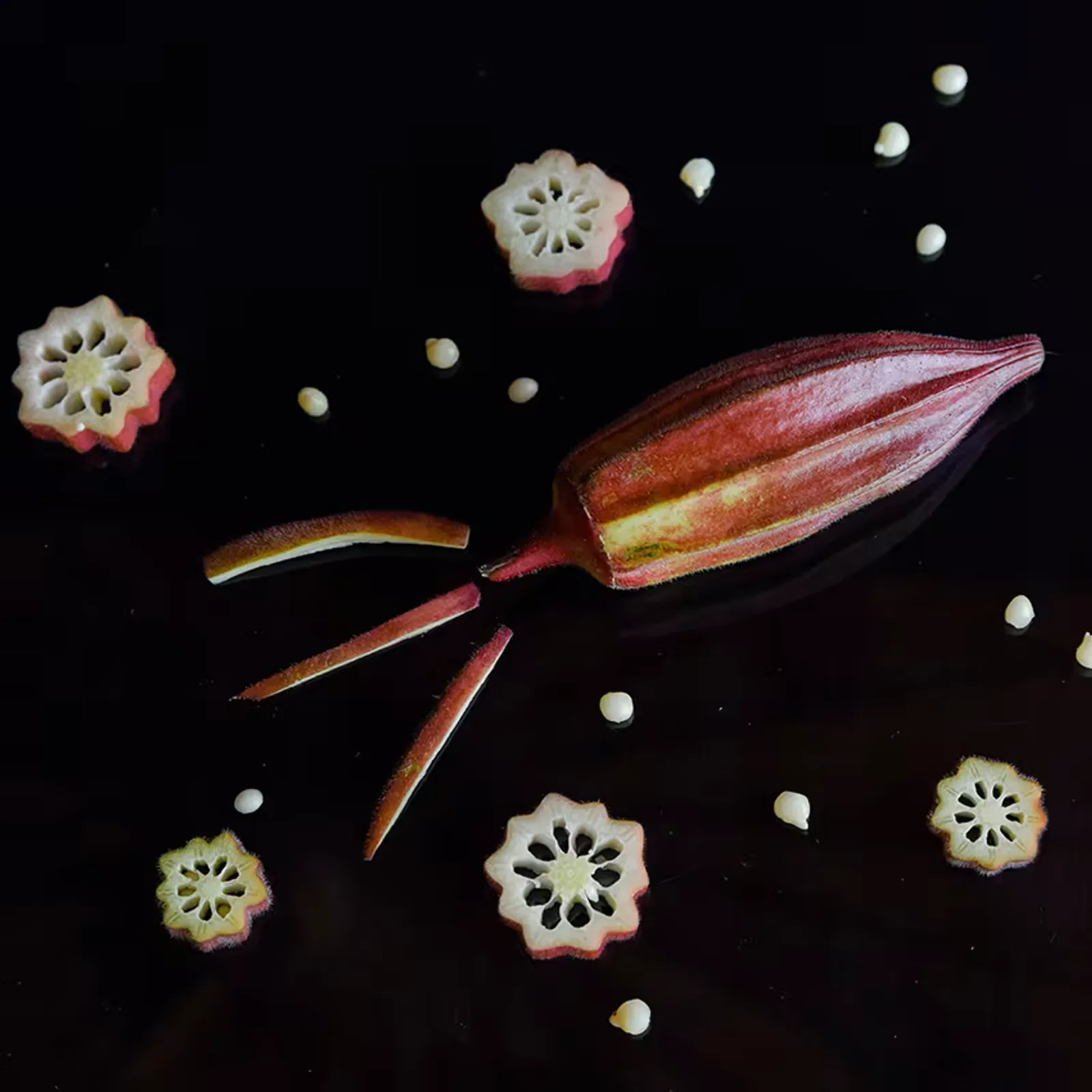 Photo: Baker Creek
 Photo: Burpee
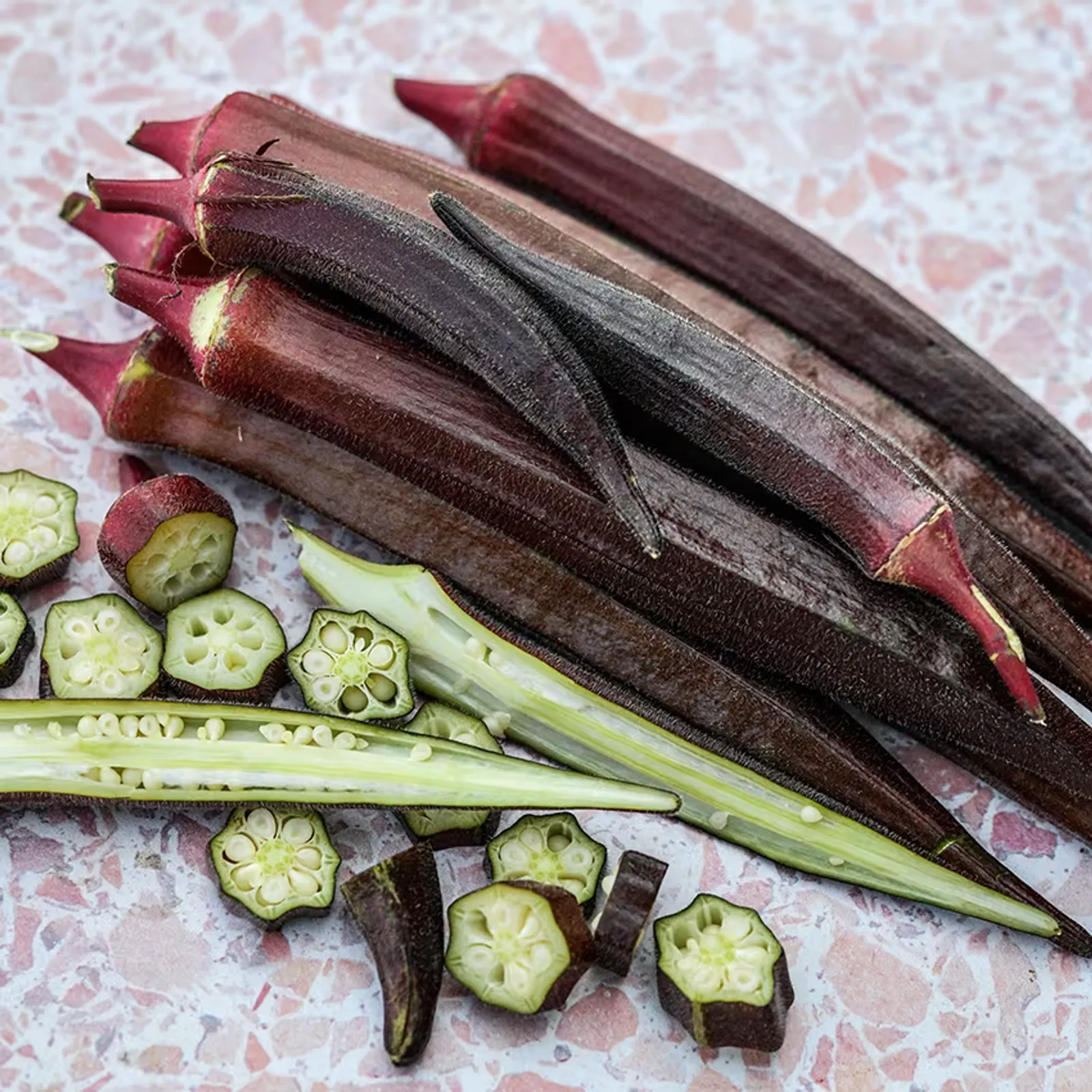 Photo: Baker Creek
 Photo: Burpee
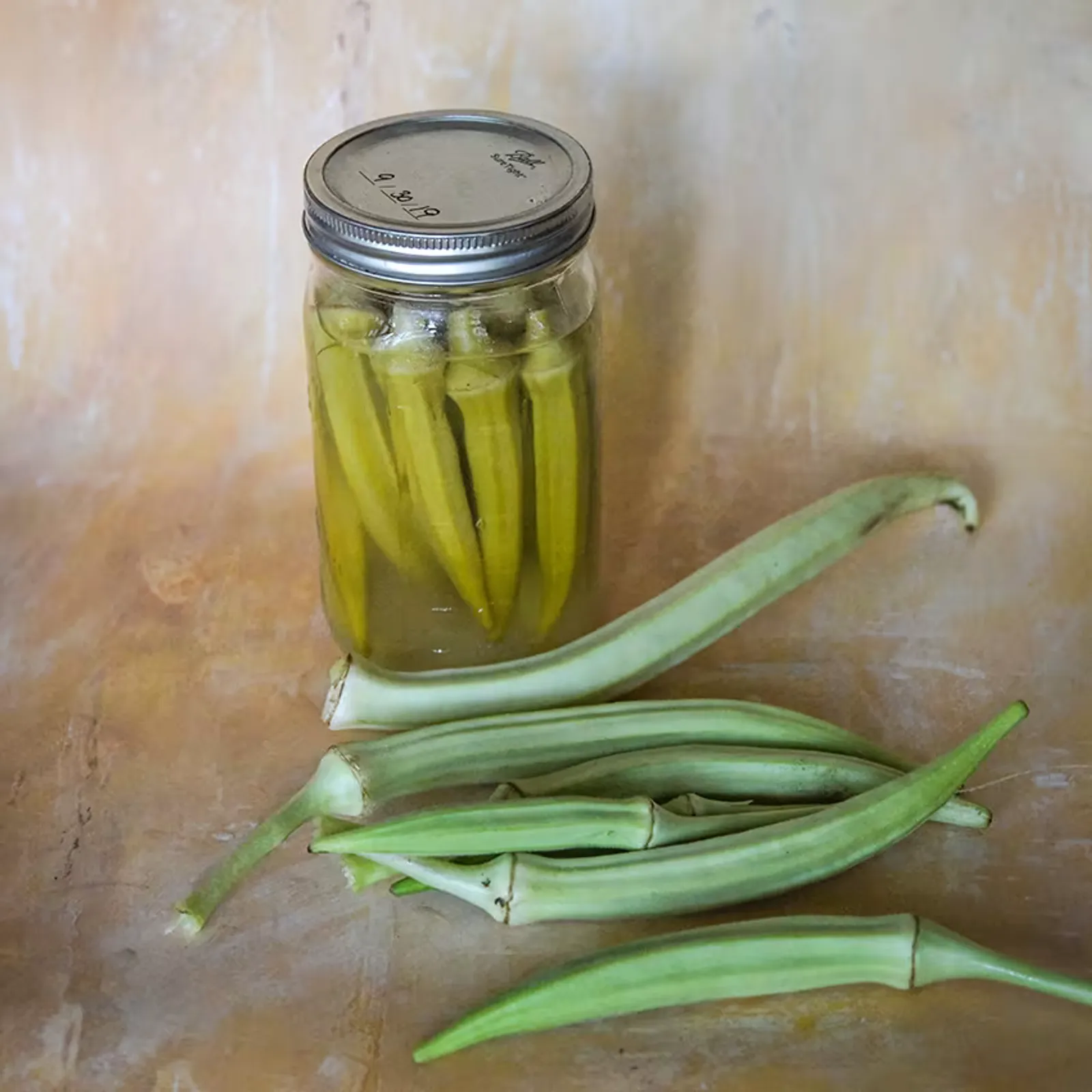 Photo: Baker Creek
 Photo: Burpee
 Photo: Seeds 'n Such
 Photo: Baker Creek
Related Articles

Companion Plants





Combative Plants
Nutrition
Vitamins


Nutrients
Pests
Diseases
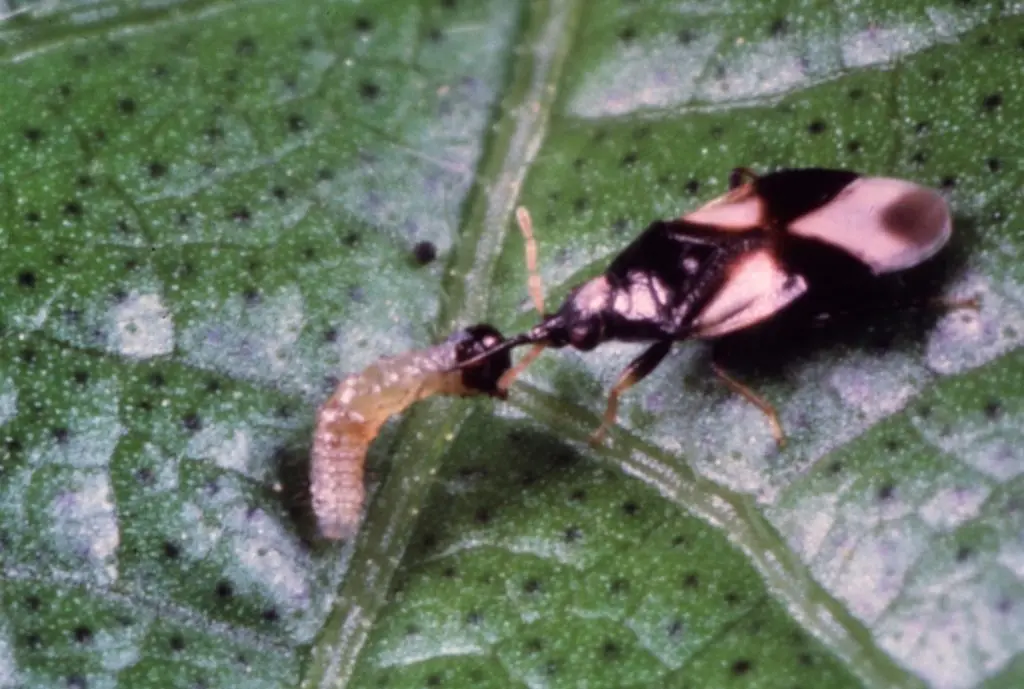
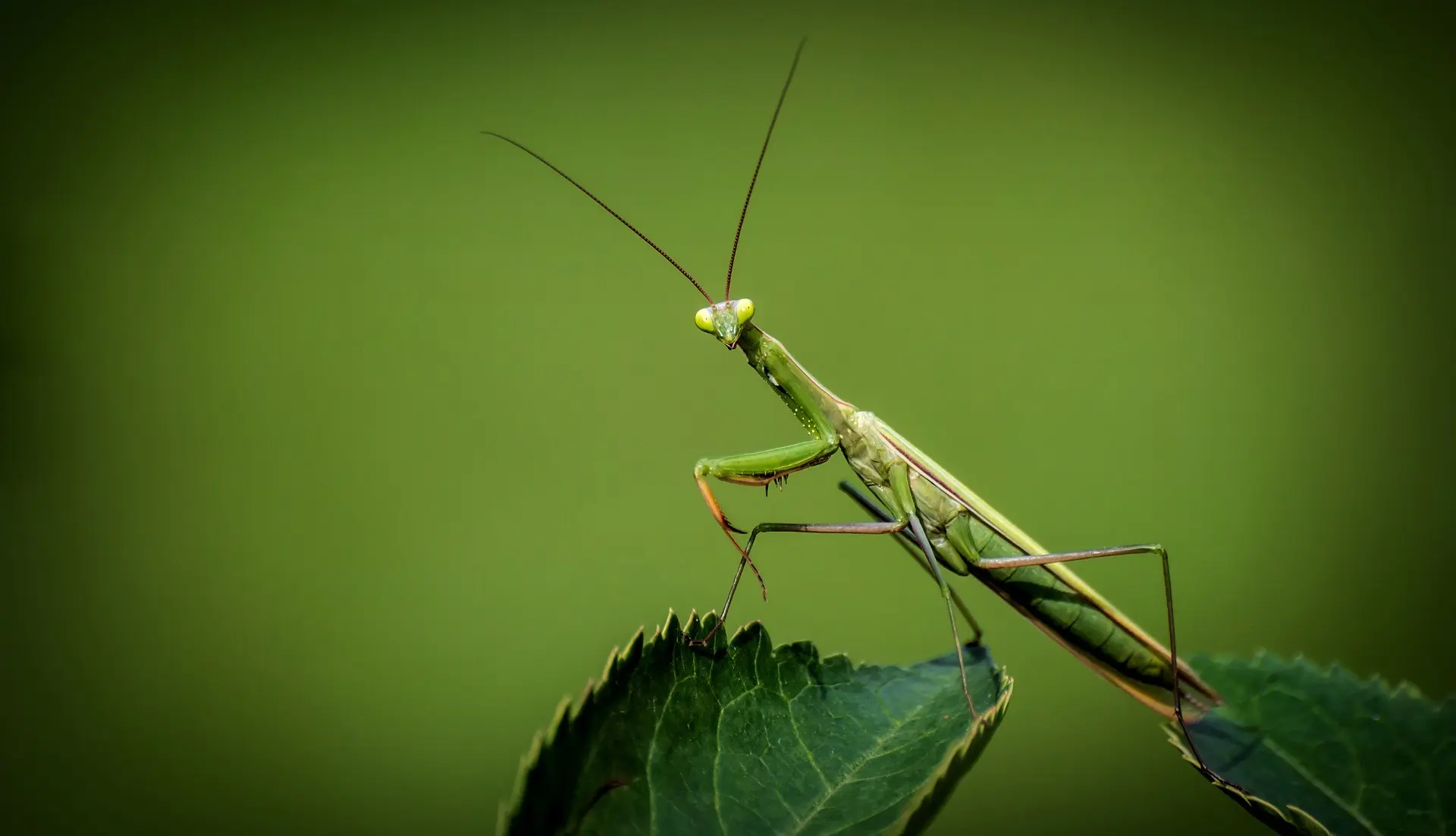
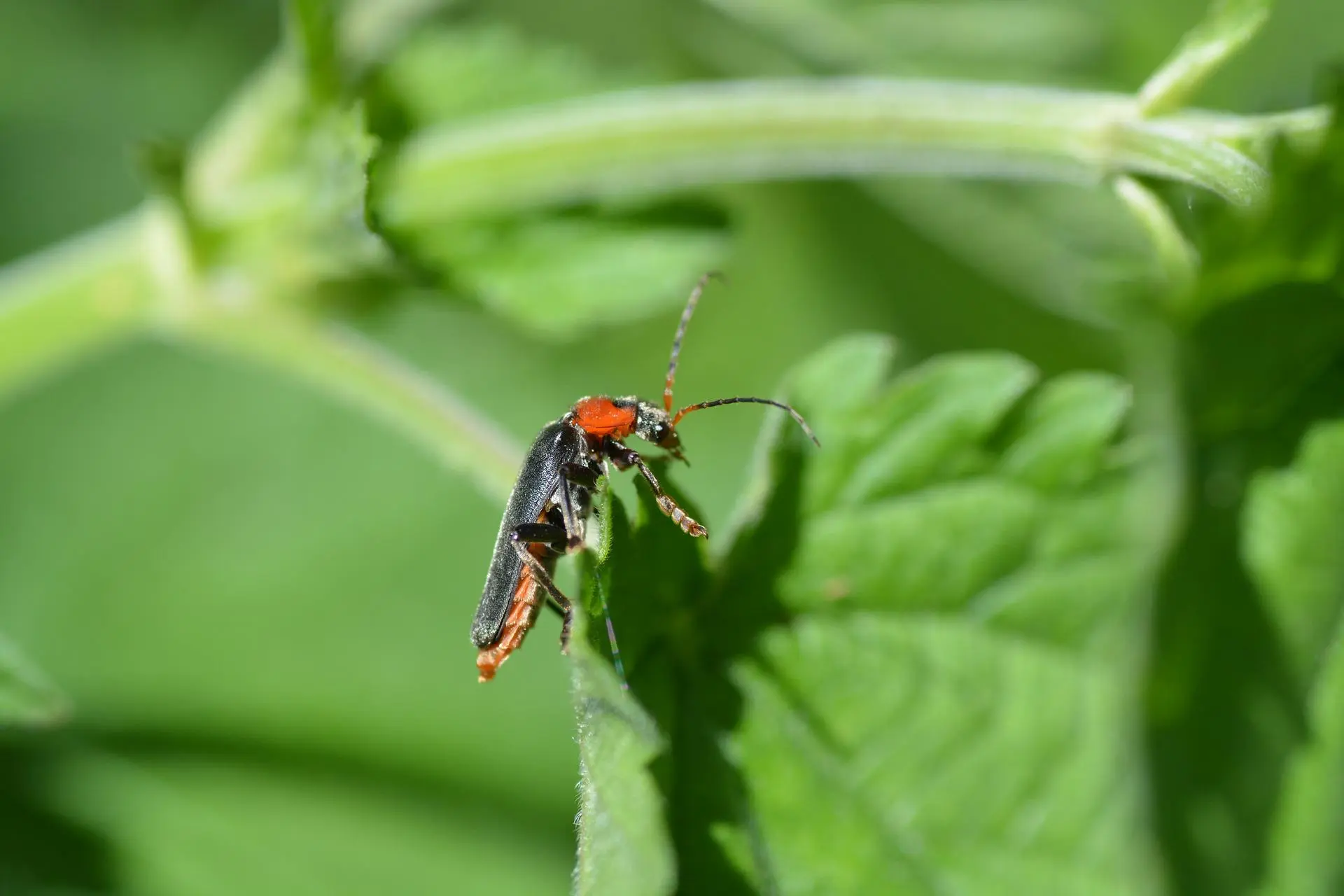
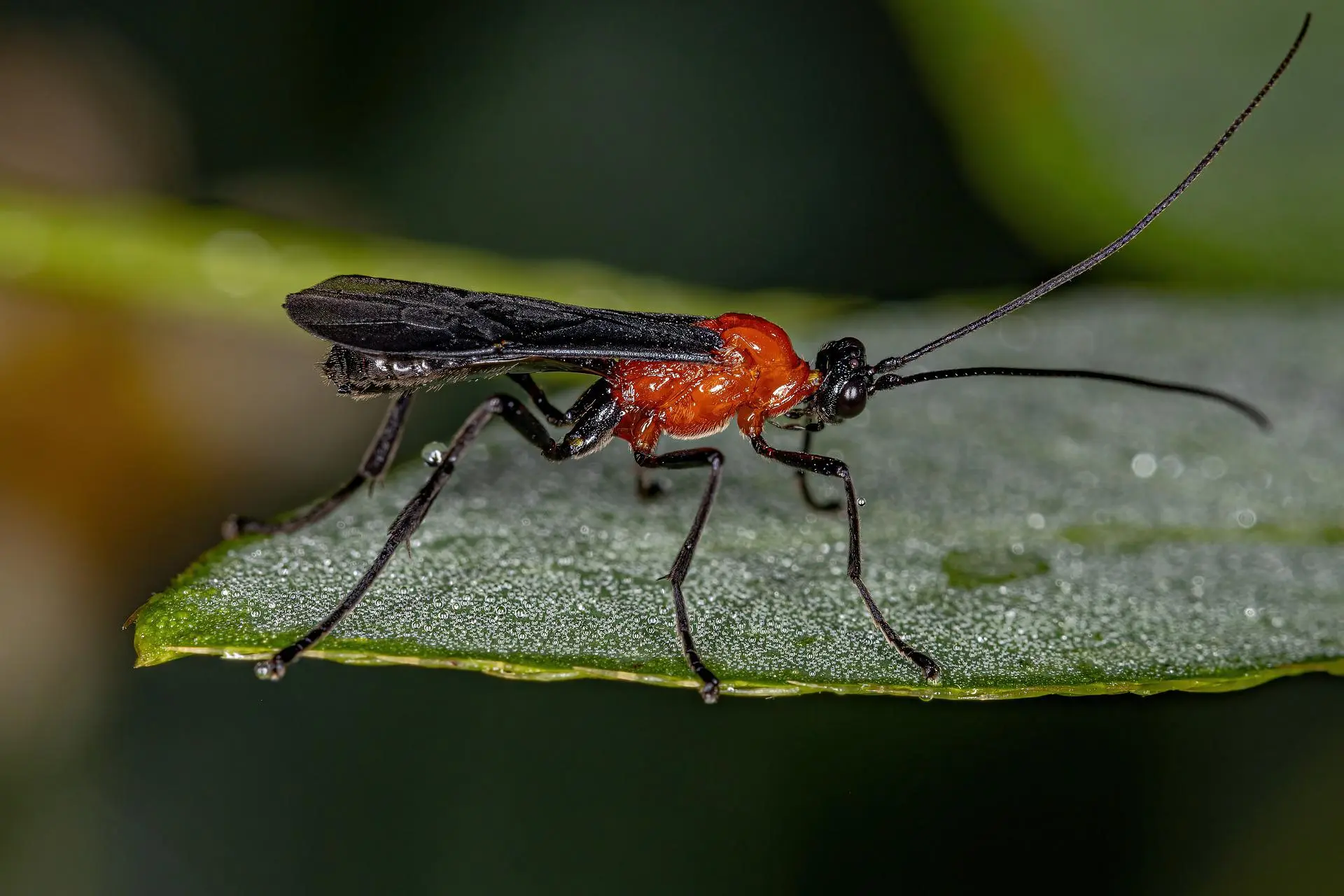
Beneficial Critters


Growing from Seed
Plant okra in fertile, well-drained soil in full sun about ½-1 in (1.3-2.5 cm) deep and 12-18 in (30-45 cm) apart. You can soak the seeds overnight in tepid water to help speed up germination.
Feeding
Side-dress the plants with a balanced fertilizer such as 10-10-10 (½ lb / 230 g per 25 ft / 7.6 m of row), or with a generous layer of rich compost. You could also apply a balanced liquid fertilizer monthly.
Harvesting
The first harvest will be ready about 2 months after planting. Harvest the okra when it's about 2-3 in (5-7.5 cm) long. Harvest it every other day. Cut the stem just above the cap with a knife; if the stem is too hard to cut, the pod is probably too old and should be tossed. Wear gloves and long sleeves when cutting the okra because most varieties are covered with tiny spines that will irritate your skin, unless you have a spineless variety. Do not worry: this irritation will not happen when you eat them.
Storage
To store okra, blanch the whole pods in boiling water for 3-4 minutes, cool them in ice water, then pack them into freezer bags and keep them in the freezer. You can then prepare the okra any way you like throughout the winter months.
